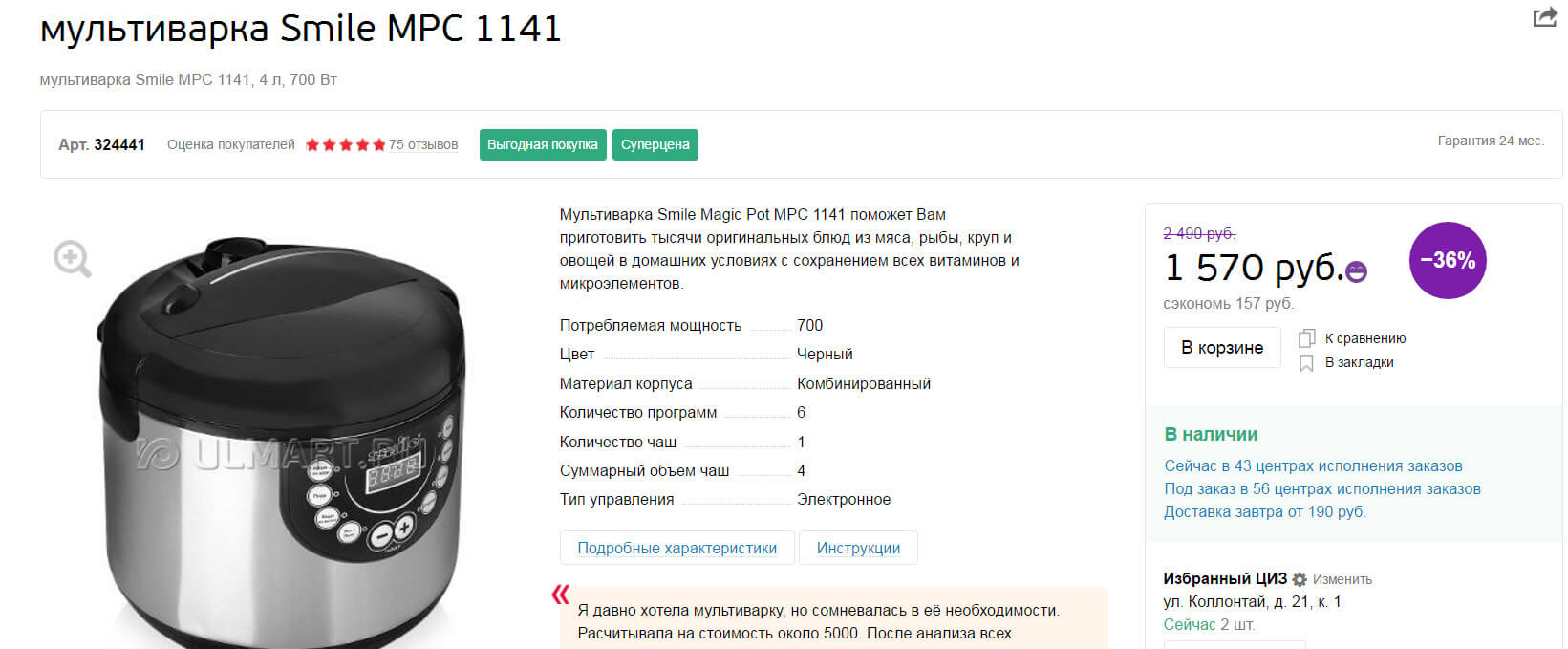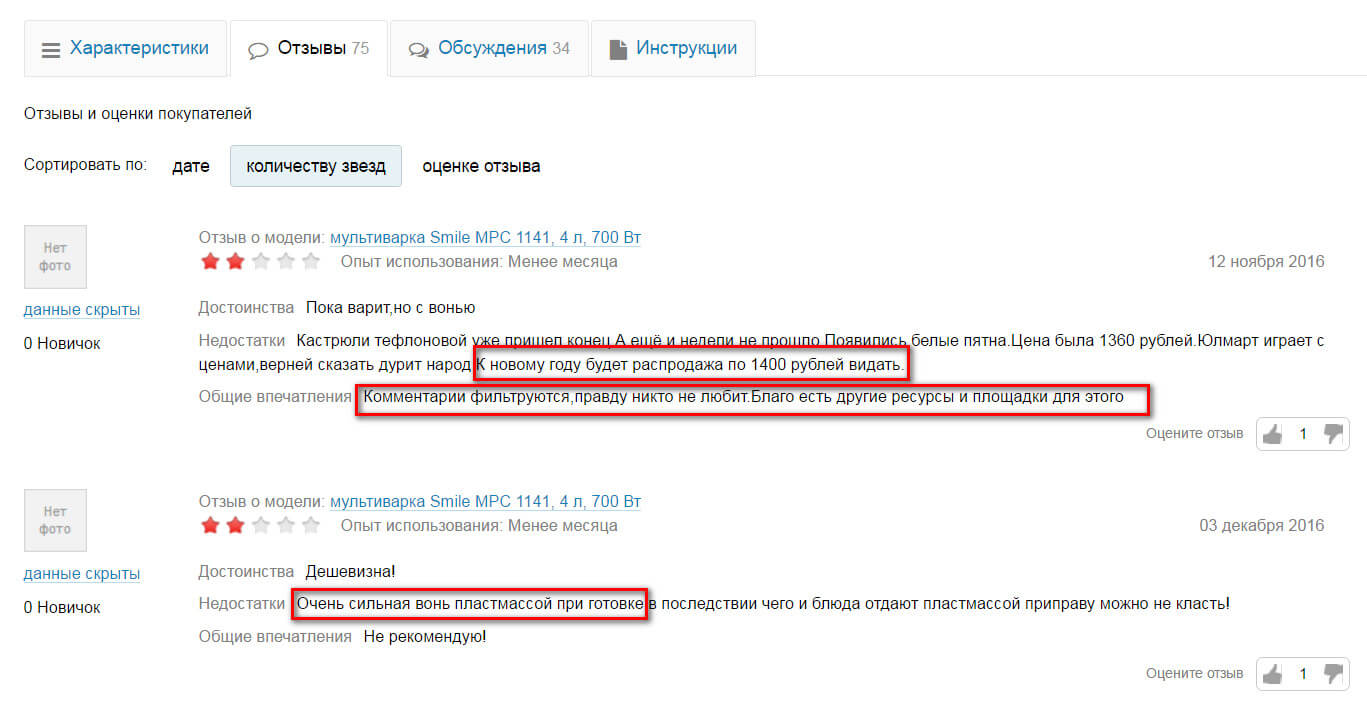
Buying a budget slow cooker feels like a gamble. You see a tempting price tag, read glowing reviews on the store website, and convince yourself that this time you have found the perfect deal. The Ulmart slow cooker is one of those products that looks great on paper but reveals its true nature after a week of use. I purchased mine during a promotional sale that, interestingly, had been running for over a month — much longer than typical store promotions that last a week or two at most. That should have been the first red flag. But I ignored it, seduced by the low price and the promise of delicious home-cooked meals with minimal effort. Spoiler alert: the delicious home-cooked meals with minimal effort never happened.

This is not a sponsored review or a superficial overview written from the product page specifications. This is a real account from someone who actually bought this appliance, used it for several weeks, and dealt with its quirks and failures firsthand. If you are considering buying a budget slow cooker from Ulmart or any similar store-brand appliance, read this article carefully before making a decision. It might save you money, time, and a lot of frustration.

Ulmart slow cooker
Ulmart slow cooker packaging and appearance

First impressions and unboxing

The packaging was nothing special — a standard cardboard box with a picture of the appliance and a list of features printed on the side. Inside the box, I found the slow cooker itself, a ceramic cooking pot, a glass lid, a measuring cup, a rice paddle, a soup ladle, and a user manual. The instruction booklet was written in broken English and contained several contradictory statements about cooking times and power consumption. That should have been another red flag, but I was too excited to try my new purchase.

The appliance itself looks decent at first glance. The body is made of white plastic with a digital display on the front panel. The control interface consists of a few buttons and a small LCD screen showing the selected program and remaining cooking time. The design is nothing innovative but it is acceptable for the price point. The ceramic pot has a non-stick coating that felt smooth to the touch, and the glass lid fits snugly with a rubber seal around the edge.

My first test was simple — plain white rice. I measured the ingredients according to the manual, pressed the Rice program button, and waited. Forty minutes later, the timer beeped and I opened the lid. The rice was unevenly cooked. The top layer was slightly dry, the middle was acceptable, and the bottom layer was burnt and stuck to the pot. Not a promising start. I decided to give it another chance and tried making soup the next day.

Performance issues and error patterns

After two weeks of regular use, I started noticing a pattern of behavior that made me question the reliability of this appliance. The slow cooker would randomly display error codes on the screen, refuse to start certain programs, or switch itself off in the middle of cooking. At first I thought I was doing something wrong, but after carefully re-reading the manual and trying different settings, I realized the problem was with the device itself, not with my instructions.

The most common issues I encountered:

  • E1 error code — appears when the temperature sensor malfunctions. The device stops heating and displays an error message. Unplugging and reconnecting sometimes helps, but not always.
  • Uneven heating — the bottom of the pot gets significantly hotter than the sides. Food burns at the bottom while remaining undercooked at the top. Stirring helps but defeats the purpose of a set-and-forget appliance.
  • Timer inaccuracy — the actual cooking time often differs from the set time by ten to fifteen minutes. The timer sometimes counts down faster or slower than real time.
  • Steam valve issues — the steam release valve gets stuck after a few uses and requires cleaning after every single use to function properly.
  • Program button unresponsiveness — after about three weeks, some of the program buttons started requiring multiple presses to register input.

These issues led me to investigate further. I started looking at the customer reviews on the Ulmart website more carefully and noticed something suspicious: almost all positive reviews were posted within a few days of each other, used similar language patterns, and had a suspiciously high rating. The negative reviews, on the other hand, described problems identical to what I was experiencing. This pattern strongly suggested that the positive reviews were either incentivized or fabricated.

Comparison with popular slow cooker brands

To give you a better perspective, let me compare the Ulmart slow cooker with two established brands in the budget segment — Redmond and Polaris. These brands have been making kitchen appliances for years and have built a reputation for reliability even in their entry-level products.

FeatureUlmart SCRedmond RMC-M20Polaris PMC 0517Winner
Price range$25-35$45-60$40-55Ulmart
Build qualityPoor — plastic feels cheapGood — sturdy constructionGood — reliable materialsRedmond/Polaris
Heating consistencyUneven — burns bottom layerEven — sensor is accurateEven — stable temperatureRedmond
Number of programs8 programs16 programs12 programsRedmond
Timer accuracyPoor — off by 10-15 minGood — within 2 minGood — within 3 minRedmond
Non-stick coatingWears off after 2 monthsLasts 12+ monthsLasts 8+ monthsRedmond
Warranty period6 months24 months12 monthsRedmond
Customer supportDifficult to reachResponsive chat and phoneEmail and call centerRedmond

As the table clearly shows, the Ulmart slow cooker wins only on price. In every other category — build quality, heating consistency, durability, and support — it falls behind the competition. The price difference of about $20 seems attractive until you realize you might need to replace the appliance after just a few months, making the total cost of ownership higher than buying a quality product from the start.

Cooking tests and results

I conducted a series of controlled cooking tests to evaluate the Ulmart slow cooker performance objectively. Each recipe was prepared three times to account for variations in ingredients and environmental conditions.

RecipeExpected resultActual resultRating
White rice (1:2 ratio)Fluffy, separate grainsBurnt bottom, dry top layer2/10
Chicken soupClear broth, tender meatCloudy broth, meat was tough4/10
Beef stewFork-tender meat, thick sauceMeat was edible but not tender5/10
Baked potatoesSoft inside, crispy skinUnevenly cooked, some raw3/10
Oatmeal porridgeCreamy, smooth textureBurned at bottom, lumpy3/10
Steamed vegetablesCrisp-tenderOvercooked and mushy4/10

The results speak for themselves. Out of six common recipes tested, none achieved an acceptable result without issues. The rice and oatmeal tests were particularly disappointing because these are supposed to be the easiest dishes for any slow cooker. If a slow cooker cannot handle rice properly, what is the point of having it? Even a basic stovetop pot would produce better rice than this appliance.

Build quality and durability concerns

After three weeks of use, the non-stick coating on the ceramic pot started showing visible scratches and wear marks. I had been using only the provided silicone spatula and plastic rice paddle, so the degradation was not caused by metal utensils. The LCD display developed a faint flicker that was not present when I first unboxed the device. The power cord feels thin and flimsy compared to other kitchen appliances in the same price range.

The lid seal started absorbing food odors after the second week, and no amount of cleaning could remove the smell completely. The steam vent collects condensation that drips down the side of the appliance when you open the lid, creating a mess on your countertop. These are not deal-breakers individually, but combined they paint a picture of a product that was designed to meet a price point rather than to serve its user reliably. After a month, I found myself using the slow cooker less and less, eventually relegating it to the back of the kitchen cabinet.

Comparison with a regular cooking pot

Sounds ridiculous, but after a month of struggling with the Ulmart slow cooker, I decided to run a control experiment: cook the same dishes in a regular stainless steel pot on the stovetop and compare the results. The outcome was predictable but no less telling. A five-dollar pot produced better rice, soup, and stew than a thirty-dollar Ulmart slow cooker.

The pot does not have eight programs, a digital display, or a delay timer. But it does have even heat distribution across the entire bottom and walls, predictable cooking times, and zero E1 errors. You can wash it in the dishwasher, it does not require a steam valve that gets stuck, and it will never absorb food odors into a rubber seal. Yes, you need to watch the pot and stir occasionally, but the rice comes out fluffy on the first attempt, not burnt at the bottom like with the Ulmart slow cooker.

The moral of this story is simple: sometimes simple technology with predictable results beats complex technology that fails at its basic function. If your slow cooker budget is limited to thirty dollars, buy a good quality stainless steel pot with a thick bottom instead of a cheap electronic gadget that will only frustrate you.

Pros and cons summarized

CategoryProsCons
Cooking performanceCan cook basic dishesUneven heating, burnt bottoms, inaccurate timing
DesignCompact size, decent looksCheap plastic, flimsy power cord
Features8 programs, delay timerPrograms work poorly, timer is inaccurate
DurabilityNone to highlightCoating wears quickly, lid seal absorbs odors
ValueLowest price on the marketNeed replacement in months, false economy

Who is this slow cooker actually for

After my experience with the Ulmart slow cooker, I can identify two types of users for whom this appliance might be acceptable. First, college students or people on an extremely tight budget who need any kind of hot meal preparation device and are willing to accept inconsistent results for the lowest possible price. Second, people who rarely cook and want a backup appliance for occasional use — maybe once or twice a month.

For everyone else — families, regular home cooks, health-conscious individuals who rely on slow cookers for meal prep — this device will likely disappoint. The inconsistency in cooking results, the questionable reliability, and the short lifespan make it a poor investment even at its low price point. Spending an extra twenty to thirty dollars on a Redmond or Polaris model will give you a significantly better experience that lasts years instead of months.

Tips for getting acceptable results

If you already own this slow cooker and want to make the best of it, here are some practical tips. First, always add extra liquid compared to what the recipe requires. The uneven heating causes faster evaporation, so more liquid helps prevent burning. Second, stir the contents every thirty minutes during cooking. This redistributes heat and prevents the bottom layer from burning. Third, preheat the pot on the Saute program for five minutes before adding ingredients — this helps stabilize the initial temperature. Fourth, avoid using the delay timer for recipes with meat or dairy products, as the temperature fluctuations can promote bacterial growth during the holding period. Fifth, cut vegetables into smaller pieces than you normally would, so they cook through before the bottom burns.

Frequently asked questions

Is the Ulmart slow cooker worth buying?

Based on my experience, no. The low price is tempting but the inconsistent cooking results, reliability issues, and short lifespan make it a poor value. Spend a bit more on a reputable brand like Redmond or Polaris.

Why does my Ulmart slow cooker show an E1 error?

The E1 error indicates a temperature sensor malfunction. This is a common issue with this model. Try unplugging the device for 10 minutes and plugging it back in. If the error persists, contact customer support for a warranty claim.

Can I bake bread or cakes in the Ulmart slow cooker?

The Bake program exists but produces inconsistent results. The bottom tends to burn while the top remains undercooked. You would need to flip the cake halfway through, which is inconvenient and often results in a messy transfer.

How long does the non-stick coating last?

In my testing, visible wear appeared after approximately three weeks of daily use. With careful handling and non-metal utensils, it may last a bit longer, but do not expect it to last more than a few months.

Are the customer reviews on the Ulmart website genuine?

The pattern of positive reviews suggests they are not entirely genuine. Many were posted within a short time frame and use similar language. The negative reviews describing real problems with the device appear more authentic.

Does the Ulmart slow cooker have a delay timer?

Yes, it has a delay timer feature. However, the timer accuracy is poor — expect a deviation of 10 to 15 minutes from the set time. This makes it unreliable for planning meals around a schedule.

Is the ceramic pot dishwasher safe?

The manual suggests hand washing only. The ceramic pot has a non-stick coating that may deteriorate faster in a dishwasher due to high temperatures and harsh detergents.

What is the power consumption of the Ulmart slow cooker?

The rated power consumption is 700 watts. However, the actual heating pattern is inconsistent — the device cycles on and off frequently, which affects both cooking results and energy efficiency.

Can I use the Ulmart slow cooker for yogurt making?

The device has a Yogurt program, but the temperature control is not precise enough for consistent yogurt fermentation. The temperature fluctuates more than the narrow range required for proper yogurt culturing.

What should I do if my Ulmart slow cooker stops working?

Check the warranty period first — it is only 6 months. If still under warranty, contact Ulmart customer support. Be prepared for a slow response. If out of warranty, it may be more economical to replace it with a better quality appliance rather than paying for repairs.

Final verdict

The Ulmart slow cooker is a textbook example of you get what you pay for. The low price tag is the only thing going for it. In every meaningful category — cooking performance, build quality, reliability, durability, and customer support — it falls short of even the most modest expectations. The glowing reviews on the store website do not reflect reality, and the device problems are not isolated incidents but systematic flaws in the product design.

My recommendation is straightforward: save your money and invest in a slow cooker from an established brand. The difference of twenty or thirty dollars translates into a dramatically better cooking experience, more consistent results, and an appliance that will still be working reliably years from now. The Ulmart slow cooker is not a bargain — it is a false economy that will cost you more in frustration and replacement costs than you save on the purchase price.

Sometimes the cheapest option ends up being the most expensive in the long run. This is one of those cases. Learn from my mistake and choose quality over a low price tag. A good slow cooker is an investment in your daily comfort and healthy eating habits that will pay for itself many times over through years of reliable service.

Tap to react