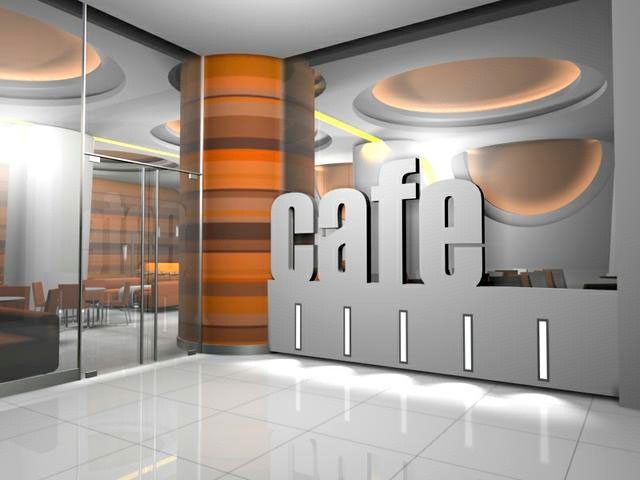
Независимо от задач, связанных с подбором ресторана или кафе для свадьбы, вам необходимо учитывать много факторов. О них и пойдет речь в данной статье.

Во первых, огромную роль играет местоположение заведения, а именно:
- Удобный подъезд (особенно когда погода не очень, или идти в ливень до машины не очень приятно).
- Охраняемая парковка (машин будет много и нужно место, куда их поставить).
- Чистый и незатрудненный вход в кафе (по черным лестницам не особенно лестно ходить).
- Внешний вид и прилегающая территория (должна быть чистая).
Переходим к основным критериям подбора кафе. Это интерьер ресторана и его внутренний вид.
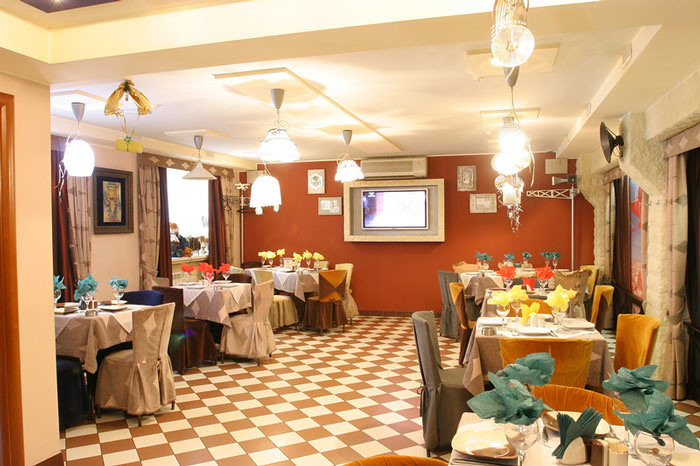
- Как выглядит банкетный зал? К этому пункту относятся: оформление, освещение, расстановка столиков. Также важно – можно ли их двигать по вашему усмотрению, как накрыт стол, сервировка, обратить внимание на чистоту, отсутствие колонн в зале (чтобы сидящие гости не чувствовали себя неуютно, т.к. могут быть ограждены от остальных празднующих).
- Охрана или швейцар - визуальная проверка гостей на предмет наличия посторонних, либо вход по приглашениям.
- Акустика. Если очень сильная акустика или большая площадь банкетного зала, то слова могут разноситься эхом, и понять что-либо будет затруднительно не только жениху и невесте, но также и ведущему праздника.
- Отдельные входы - не проходной зал, изолированность (в том числе хорошая звукоизоляция) от соседних банкетов. Очень часто две свадьбы стараются заглушить друг от друга радостными воплями «Горько» и музыкой. Удаленность от кухни (ароматы готовящейся еды не всегда могут радовать).
- Украшение банкетного зала (должно быть специальное банкетное убранство - скатерти, салфетки и т.д.). За какие украшения и оформление они берут плату (берут деньги за «особые» скатерти и салфетки, или за внешнее оформление зала – ленты, оформление стульев и столов). Уточнить и проверить этот пункт в договоре (особенно цвет убранства – могут оформить не в том стиле).
- Можно ли самостоятельно украсить банкетный зал? С какими фирмами (проверенными!) они работают, и что входит в состав (шарики, цветы и т.д.).
- Количество посадочных мест в банкетном зале. Надо выбирать банкетный зал на большее количество человек, чтобы гости могли свободно передвигаться по нему, танцевать и т.д.
- Можно ли посетить самостоятельно, перед очередным торжеством, банкетный зал (посмотреть как он выглядит, оформлен, посмотреть освещение (особенно вечером, чтобы не сидеть в темном помещении), как работают официанты, пообщаться по возможности с гостями или родителями молодоженов, которые уже справляли свадьбы в данном кафе или ресторане – выяснить плюсы или минусы, попросить контактный номер телефона)
- Возможно ли пускать мыльные пузыри, проведение фейерверка, хлопушек, петард и другой специфической атрибутики? В этом случае уборка банкетного зала происходит за отдельную стоимость или нет?
- В договоре обратить внимание на пункт "порча имущества" (в каких случаях она возникает, стоимость «оплаты» за акты вандализма ваших гостей). Отдельный счет за разбитую посуду и конфликтное меню. Счет в итоге за банкет может вырасти вдвое-втрое, если не обговорить этот пункт заранее с администратором заведения. Не скользкий пол (подвыпившие гости могут при падении получить травмы).
- Наличие гардероба (узнать время его работы, берут ли плату за обслуживание на период проведения всего банкета, или до определенного часа), детской комнаты (есть ли персонал, который приглядывает за детьми, наличие игрушек, или надо приносить с собой), места для курения (улица или отдельная комната - есть ли пепельницы, чисто ли там), туалета (посмотреть на его состояние и наличие всех компонентов – мыла, туалетной бумаги). Расположение туалета относительно банкетного зала (чтобы из соседних помещений гости не проходили через ваш банкетный зал). Согласитесь, что неприятно, если с соседней свадьбы через ваш зал будут ходить покурить стайки подвыпивших гостей.
- Посмотреть на танцевальную площадку (освещение, проектные лучи, световая аппаратура), ее состояние (есть ли в наличии - музыкальное звукоусиление, ЖК экран, проектор для слайдшоу, караоке, существует ли несколько микрофонов, когда гости могут петь хором, стоимость аренды, уточнить можно ли принести на внешних цифровых носителях свою музыку - какие из них воспринимает аппаратура, будет ли это за отдельную плату).
- Наличие комнат для переодеваний и подготовки тамады и гостей, участвующих в конкурсах. Есть ли отдельное место для ди-джея или музыканта? Есть у них живая музыка, свои танцевальные группы и развлекательные программы?
- С какими профессионалами они работают чаще всего (узнать мнение администратора о качестве работы данных лиц, а также возможность приглашения стороннего видео оператора, фотографа, тамады).
Одним из важнейших компонентов при выборе банкетного зала также является персонал заведения.
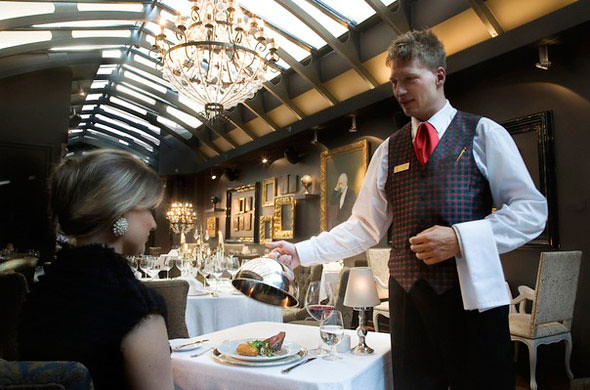
- Внешний вид официантов, их профессиональные качества (манера общения, быстрота обслуживания, качество работы).
- Шеф-повар (познакомиться, узнать ФИО, сказать свои пожелания и предпочтения в еде, будет ли именно он работать в день банкета (их может быть несколько).
- Администратор (узнать ФИО, контактный телефон, оценить внешний вид, общение, постараться войти в контакт). При личной встрече делать заметки в блокноте, или вести запись с диктофоном - это очень дисциплинирует собеседника, администратор много раз подумает прежде чем что-то сказать, и будет отвечать за каждое слово!), обратите внимание на то, как он ведет себя: доброжелательно и участливо, или же без интереса; рассказывает обо всем подробно, или опускает необходимые вещи.
- Узнать какие бонусы предлагает ресторан/кафе: торт, каравай, бесплатный ужин на годовщину, номер для новобрачных, дисконтная карта на будущие посещения.
Теперь обговорим сам банкет и меню, которое предлагает заведение.
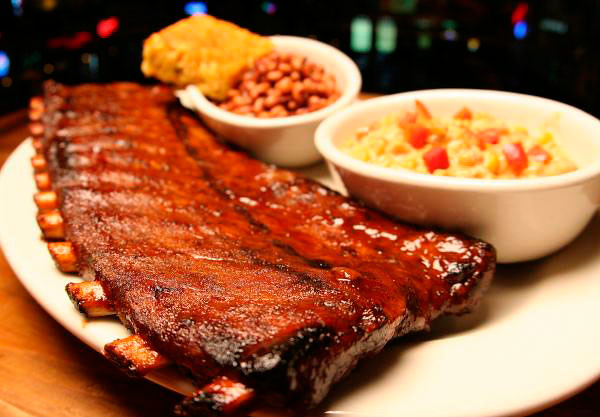
- Ознакомиться с меню (попросить распечатать, чтобы взять с собой), оценить стоимость, проверить есть ли в меню чай, кофе, вода, напитки (чтобы потом отдельно не пришлось платить за эти услуги, либо уточнить можно ли принести свои продукты).
- Стоимость вычислить из расчета реального числа гостей или вместимости зала. Узнать, есть ли за него арендная плата, до какого времени работает ресторан, возможно ли продление банкета (сколько это будет стоить). Заранее обговорить – необходимо ли это оплачивать официанту или администратору, так как могут быть случаи вымогательства со стороны официантов. На какую минимальную сумму закрывают заведение только для Вашего торжества? Каков % за обслуживание (отдельная оплата их труда или входит в стоимость). Входят ли сюда чаевые, или все же определенную сумму надо будет отдать, вне зависимости от желания и расторопности официантов? Число официантов, обслуживающих банкет. В идеале, когда один официант обслуживает 8-10 гостей, НЕ БОЛЬШЕ! Могут быть случаи когда один гость уже съел горячее, а другой еще и не начинал.
- Есть ли "пробковый" сбор? Интересно, что в некоторых ресторанах этот сбор идет с бутылки. А ведь есть бутылки и по 0,5 и по 5 литров. Тут можно посчитать. И есть ли смысл приносить свое спиртное, если стоимость окажется практически одинаковой, можно ли принести с собой спиртные напитки, воду, соки, чай, кофе, фрукты, закуски, какие-либо продукты (есть ли ограничения, и в каком количестве? Иногда приходиться заказывать у них часть выше указанного, чтобы они разрешили принести своё (тогда в каких пропорциях).
- Уточнить способ контроля за спиртным (могут часть спиртного «прикарманить» само заведение). Варианты выхода из положения: 1. Постановочный столик для алкоголя в самом зале, где выставляются все напитки, откуда официантыгости берут по мере необходимости. 2. Предварительно обсуждается с заведением: привозится спиртное (получить расписку в получении такого-то количества такого-то спиртного). Потом после банкета часть спиртного Вам отдают (то, что было закрыто), а пустые бутылки и те, которые открыты, но не выпиты, демонстрируют Вашему представителю – папа, мама или вы сами (кандидатуру заранее обговорить с администратором + время встречи на следующий день после праздника).
- За сколько часов до праздника накрывают на стол, и когда подают горячие блюда. Что будет готово к приезду гостей и во сколько. Каков выход порций. В одном ресторане это 120 грамм, а в другом все 300. Тут тоже надо считать, человек не съест 1,5 килограмма еды, но и 0,5 его не накормят. Как правило, едят только первые 10 минут, потом всё больше пьют. Поэтому, лучше включить в меню несколько видов закусок. Количество порций (ассорти, салаты) рассчитывается из веса одного блюда по меню, например порцию в 100 г в банкетном варианте можно брать на двоих, 150 г - на троих. Бывают и порционные горячие закуски, как, например, жульен, их заказывают исходя из количества гостей. Лучше всего "организовать" стол в несколько смен блюд - чем больше подач, тем оживленнее проходит банкет. Как часто меняют посуду (непременно обговорить этот момент, а то может быть, что торт раскладывали в тарелки с остатками горячего). Подают салаты порционно или навалом (в салатницах). При способе навалом выходит экономнее – каждый берёт сколько хочет, или не берёт вовсе, но порционно красивее. Разливают спиртное и напитки, или самообслуживание (в этом случае часть спиртного уже стоит на столах). Контейнеры для продуктов – в наличии и стоимость, иначе обычный пластиковый контейнер может обойтись в 100 рублей, а 6 штучек в 600, либо приносить с собой (тогда можно покушать и на второй день, и голова «болеть» не будет, что готовить на второй день гостям).
Собственно, само проведение банкета должно включать в себя следующие вопросы:

- Необходимо обговорить расстановку столов, чтобы максимально удобно рассадить гостей. Если свадьба маленькая достаточно Г- или П-образной расстановки столов, это объединит людей, не так будет скучно. Заранее узнать у администратора о схеме рассадки гостей по-умолчанию. Можно также схематично нарисовать, приготовить таблички и поставить их на стол, чтобы не получилось, что более «прозорливые» гости не сели рядом с невестой/женихом, а родители и близкие родственники где-нибудь в конце стола. Назначить контролера, чтобы не переставляли таблички.
- В какое время можно будет начать оформление зала? В котором часу начнут накрывать столы? Порядок подачи блюд. Как строго соблюдается оговоренное время (составить распорядок обеда, и выдать его ответственному гостю, чтобы контролировал)
- Каков порядок расстановки, если алкоголь и напитки свои. Когда их привозить, и как отчитывается по ним ресторан? Есть ли отдельное место для хранения продуктов, например, холодильники.
- Организовывать ли фуршет перед банкетом, либо обойтись без него. Можно ли принести свои продукты для фуршета? Кто будет накрывать на фуршет, входит ли все это в уже оговоренную сумму, или надо оплачивать отдельно?
- Торт - есть ли стол для него, подставки (за отдельную плату или входит в стоимость)? Когда будут подавать? Есть ли холодильник для хранения тортакаравая? Они работают только со своими производителями тортов или можно заказать отдельно? Оформление сладкого стола с тортом (есть ли у них отдельный столик на колесиках или они выносят его полностью или кусочками в тарелках на подносе, есть ли специальный нож).
- Чай, кофе. Сколько стоит чашка, входит она в меню, кто будет пить, сумма счета реальная. Горка для шампанского - есть ли такая услуга и нужна ли она. Даёт ли ресторан посуду для этой цели, и убедиться, чтобы наполняли его ПОСЛЕ приезда молодых, а не ДО.
- До какого часа банкет. Возможны ли бонусные часы или отдельная оплата? Еще одни непредвиденные расходы: угощение свадебной команды. До подписания контракта удостовериться, что мы не обязаны подавать музыкантам и тамаде ту же еду, которая предназначена для гостей. Иначе придется оплачивать 20 лишних ртов. Если свадебная команда маленькая и вы не хотите обидеть кого-то, то можно выбрать для них менее дорогое (но такое же обильное) меню. Заранее предупредить шеф-повара о точном количестве музыкантов, которых вам надо накормить (не забыть помощников фотографа и людей, обслуживающих музыкальную группу).
Переходим к последней фазе - оформлению заказа.
- Когда можно сделать заказ и внести оплату (за сколько дней до свадьбы, какими частями). Непременно взять квитанцию о предоплате.
- Нужна ли предоплата за бронирование или необходимо сразу оплатить всю сумму? Фиксирование конечного счёта (ибо цены меняются, и ваш счёт может измениться через 2 месяца, необходимо гарантия).
- Проверить в договоре дату проведения банкета, время от-до, число официантов, сумму, печать и подпись управляющего.
- Сроки окончательной оплаты банкета. Желательно некоторую сумму оплатить в последний день, для гарантии беспроблемности.
- В случае отказа от банкета какую сумму предоплаты вернут и за сколько дней. Взять «банкетное предложение» в котором указаны цены и выход блюд. Чтоб потом показания не изменились. Салат в общем зале может стоить вдвое дешевле, а порция втрое больше банкетной. Разницы быть не должно! Попросить у администратора/официанта визитки ресторана с указанием адреса и проезда - для гостей.
Итак, подводим итоги и делаем выводы:
- Почитайте отзывы и высказывания об интересующем вас ресторане на форуме. Обращайте внимание на даты сообщений, т.к. некоторые из них могут быть устаревшими.
- Когда определитесь с 2-3 главными претендентами, сходите туда в качестве обычных посетителей. Попробуйте кухню и оцените работу и доброжелательность персонала. Возможно, вам также будет интересно посетить ресторан в тот день, когда в нём будет проходить очередной банкет.
Хочу порекомендовать выбрать ресторан, который находится недалеко или на территории парковой зоны, возле водоема. Это внесет в проведение торжества что-то новое, некую изюминку. А если свадьба летом, то такой вариант ресторана позволит не только не задыхаться гостям в душном помещении, но сделать живописные снимки, а также провести не скучное торжество в виде ЗАГС-ресторан-банкет.
Rate this article