Wedding Decoration Guide — Event Decor Concepts & Style Ideas

Wedding decor is not about throwing some flowers on a table and calling it a day. It is the visual language of your celebration — the thing that guests feel before they can articulate why they feel it. Walk into a room draped in blush silk with candlelight flickering against gold accents, and your brain registers "romantic" before a single word is spoken. Walk into a blank hotel ballroom with white tablecloths and fluorescent ceiling panels, and... well, you get the picture.

The word event decor gets tossed around by planners and Pinterest boards alike, but at its core it is simply this: shaping an environment to produce a specific emotional response. A wedding is the most personal event most people will ever host. The decor should reflect that. This guide walks through every major decision you will face — from picking a style direction to negotiating with decorators, from floral budgets to lighting rigs.

Why Wedding Decor Matters More Than You Think

Guests might forget the exact menu you served. They will forget the order of toasts. But they will remember how the room felt when they walked in. Decor sets the emotional baseline for everything else. A beautifully decorated space makes mediocre food feel curated. A poorly decorated space makes gourmet catering feel like a mismatch.

Beyond guest experience, wedding decor serves a practical purpose: it defines zones within a venue. The ceremony area, the cocktail space, the dining hall, the dance floor — each needs visual cues that tell people where they are and what is expected of them. A well-decorated wedding guides guests through the evening without a single sign.

The average couple spends 8-12% of their total wedding budget on decor and floral design. For a $30,000 wedding, that is $2,400–$3,600. Knowing this number helps frame every decision that follows.

Choosing a Wedding Decor Style

Style is not about picking what looks good on Instagram. It is about picking what feels right for the two of you as a couple. The best wedding decor tells a story — and that story starts with a coherent style direction. Here are the five most common wedding decor styles, each with distinct emotional tones and practical implications.

Classic / Traditional

Think white roses, crystal chandeliers, gold-rimmed charger plates, and symmetry everywhere. Classic decor leans on formality and timelessness. It works in ballrooms, historic estates, and churches. The palette is usually white, cream, gold, and soft blush. Flowers are arranged in tall centerpieces — candelabras, trumpet vases, overflowing urns. Nothing feels experimental. Everything feels deliberate.

Rustic

Barns. Mason jars. Burlap runners. Wood slices as centerpiece bases. Rustic decor celebrates imperfection and warmth. It suits outdoor venues, farms, vineyards, and converted industrial spaces. Wildflowers in mismatched vases, string lights overhead, hay bales repurposed as seating. The palette pulls from nature: sage green, dusty blue, terracotta, cream.

Boho (Bohemian)

Macrame backdrops, pampas grass, Persian rugs laid over grass, dreamcatchers, and floor seating with plush pillows. Boho is free-spirited and layered. It works beautifully in deserts, beaches, gardens, and forests. The color palette is earthy and warm: rust, ochre, burgundy, dried eucalyptus green. Boho decor is one of the few styles where "more is more" actually works.

Modern / Minimalist

Sleek lines, monochromatic palettes, acrylic signage, geometric shapes. Modern decor is architectural and restrained. Less is genuinely more. A single orchid stem in a slim glass vase on each table. Clean typography on menus. Black, white, and one accent color — emerald green or deep navy are popular choices. This style suits art galleries, lofts, and rooftop venues.

Vintage

Lace tablecloths, antique silverware, typewriters as guestbook stations, sepia-toned family photos on display. Vintage decor pulls from the 1920s through 1950s aesthetic. Pastel palettes dominate: dusty rose, mint, lavender, soft yellow. Mismatched china sets, birdcages filled with flowers, Edison bulb lighting. It feels nostalgic without feeling dusty.

Style Comparison Table

StyleVenue FitKey MaterialsBudget LevelSeason Best
ClassicBallroom, estate, churchCrystal, gold, roses, satinHighAll year
RusticBarn, farm, vineyardWood, burlap, mason jars, wildflowersMediumSummer, autumn
BohoBeach, garden, desertMacrame, pampas grass, rugs, pillowsMediumSpring, summer
ModernGallery, loft, rooftopAcrylic, metal, glass, orchidsMedium-HighAll year
VintageHistoric home, gardenLace, antiques, Edison bulbs, chinaMediumSpring, autumn

Color Palette Selection

Choosing a color palette is not about picking your two favorite colors and hoping they work together. It is about understanding color theory in the context of a physical space. The walls of your venue, the time of day, the season, even the table linens — all of these interact with your chosen palette.

Start with one dominant color that sets the emotional tone: deep burgundy says drama, soft sage says calm, navy says sophistication. Then pick one or two complementary accent colors. Finally, add a metallic — gold, rose gold, copper, or silver — to catch light and add depth. A palette of "blush, ivory, and gold" reads completely differently from "blush, charcoal, and silver."

Here is a practical way to test your palette: tape swatches to the wall of your venue during a site visit. Look at them under the actual lighting conditions you will have during the reception. Hotel ballroom chandeliers, natural sunset light through windows, and candlelight all change how colors read. What looks like a soft rose in the craft store can turn screaming pink under fluorescent light.

Avoid more than four colors in your palette. Beyond that, the eye loses the thread and the decor starts looking chaotic rather than curated. The exception is boho style, which can handle more variety — but even then, keep the extra colors within the same temperature family (all warm or all cool).

Floral Arrangements — The Heart of Wedding Decor

Flowers are the single largest decor line item for most weddings. They appear at the ceremony arch, on every table, in the bridal bouquet, on the cake, sometimes even hanging from the ceiling. Getting floral design right means understanding scale, seasonality, and structure.

Scale Matters

A centerpiece that blocks guests from seeing each other across the table is a failed centerpiece, no matter how beautiful. Tall arrangements work on large round tables with high ceilings — they draw the eye up and make the room feel grand. Low, sprawling arrangements suit long banquet tables and intimate venues. Some couples mix both: tall on every other table, low on the rest.

Seasonal Flower Guide

SeasonAvailable FlowersBudget ImpactStyle Notes
SpringPeonies, tulips, ranunculus, lilac, sweet peaModerate — peonies are pricey but abundantSoft, romantic, pastel-heavy
SummerRoses, sunflowers, dahlias, hydrangeas, zinniasLow — widest selection, lowest pricesVibrant, lush, colorful
AutumnChrysanthemums, marigolds, amaranthus, dried grassesModerate — dried elements lower costWarm, textured, earthy
WinterAnemones, hellebores, evergreen, berries, pineHigh — limited availability, forced bloomsDramatic, moody, evergreen-heavy

Out-of-season flowers cost 2-3x more and often look worse than their in-season counterparts. If you are set on peonies in November, expect to pay a premium — and manage your expectations about bloom quality.

Table Settings — Where Guests Spend Three Hours

Guests sit at their tables for roughly three hours during a typical wedding reception. That is three hours of staring at whatever is in front of them. Table decor is not background noise — it is the most viewed decor element at the entire wedding.

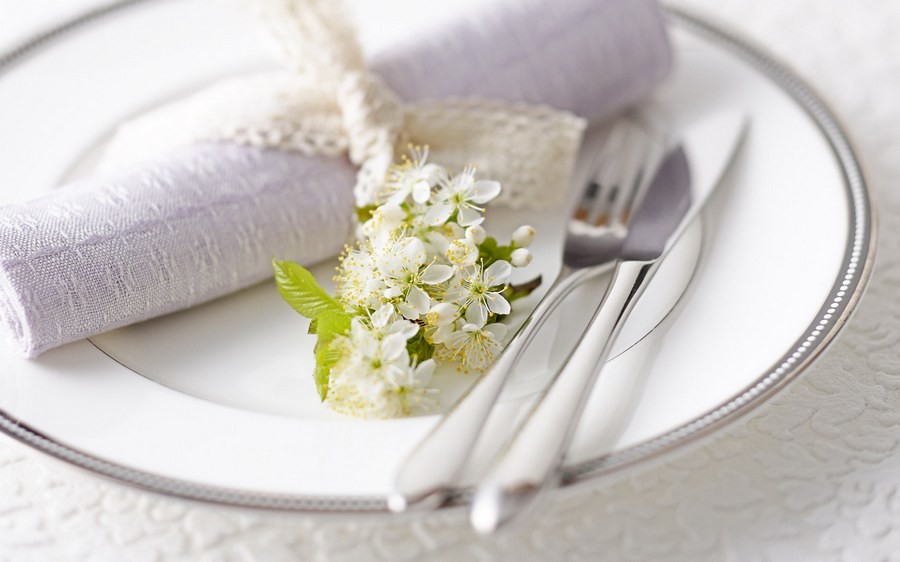
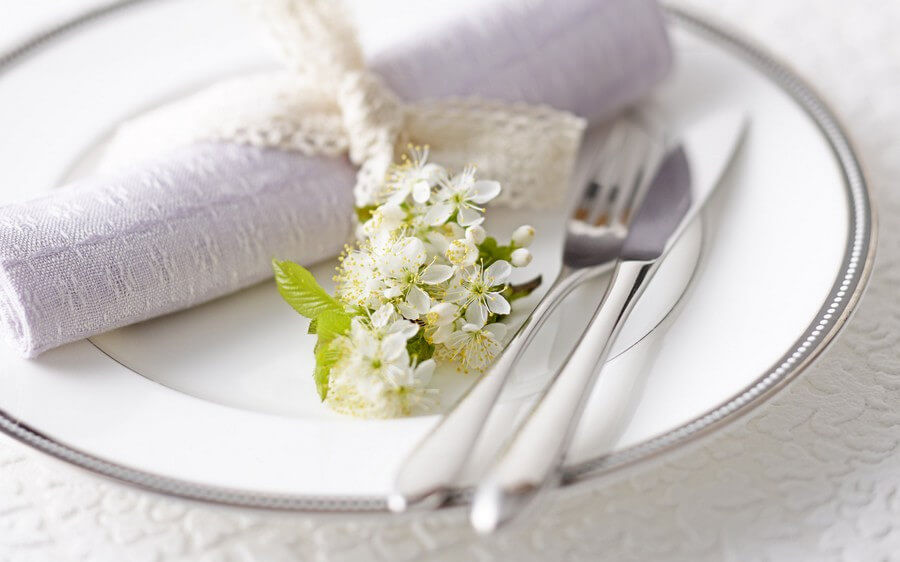
A complete table setting includes: charger plates, dinner plates, flatware, glassware (water, wine, champagne), napkins, menu cards, place cards, and a centerpiece. Every layer matters. Mismatched flatware styles clash with the eye even if guests cannot name why. Paper napkins at a $200-per-plate dinner feel jarring.

Linens deserve special attention. Tablecloths that pool on the floor look sloppy. Tablecloths that end at the table edge look cheap. The ideal drop is to the seat of the chair — roughly 15 inches below the table surface. Chair covers or sashes can transform ugly banquet chairs, but they add significant rental cost. Sometimes it is cheaper to rent better chairs outright than to cover bad ones.

\u{201c}

I tell every couple: spend 40% of your decor budget on tables. That is where your guests live. A stunning ceremony arch that everyone sees for 30 minutes matters less than the centerpiece they stare at through dinner.

Emily Clarke, Wedding Planner, 12 years

Lighting Design — The Invisible Decor Element

Lighting is the decor element that couples most often overlook — and the one that makes the biggest difference per dollar spent. Good lighting makes cheap flowers look expensive. Bad lighting makes expensive flowers look cheap.

There are four lighting layers to consider:

  • Ambient lighting — the base wash of light in the room. Dimmers are your best friend. If the venue has only on/off switches for ceiling lights, negotiate uplighting into the contract or bring your own.
  • Task lighting — functional light for buffet tables, bars, and the DJ booth. Nobody wants to eat mystery food in the dark.
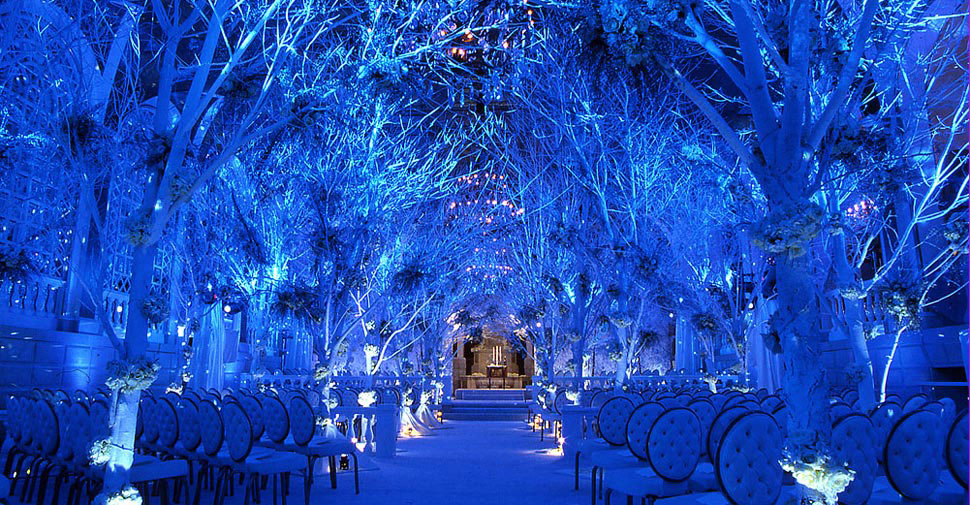
  • Accent lighting — uplights against walls, pin spots on centerpieces, gobo projections of your monogram on the dance floor. This is where personality comes in.
  • Decorative lighting — string lights, chandeliers, candles, lanterns. These are decor, not just tools to illuminate decor.

Candles deserve a special mention. Battery-operated LED candles have come a long way, but real candles cast a warmth that LEDs still cannot fully replicate. If your venue allows open flame, use real candles at the reception — just keep them in hurricanes or votive holders for safety.

DIY vs Professional Decorator — The Real Numbers

FactorDIYProfessional Decorator
Cost$500–$2,000 for materials$2,000–$10,000+ for full service
Time investment40–80 hours of prep, plus setup day-ofYou show up. It is done.
Setup & teardownYou, your family, and panicked friendsProfessional team handles everything
Quality ceilingLimited by your skill and toolsUnlimited — this is their job
Stress levelHigh — last 48 hours are chaosLow — you are the client, not the labor
CustomizationComplete control over every detailCollaborative — you direct, they execute

The DIY route can work beautifully for small, intimate weddings — 50 guests or fewer — where the decor scope is manageable and you genuinely enjoy crafting. For weddings above 80 guests, the logistics of DIY decor alone (storing, transporting, setting up, tearing down) become a second full-time job in the week leading up to the wedding.

Hybrid approach: hire a decorator for the big-ticket items (ceiling installations, floral arches, lighting rigs) and DIY the smaller details (place cards, favors, signage). You save money where it matters least and spend where it matters most.

Budget Planning for Wedding Decor

Decor budget is not a single number — it is a series of trade-offs. Every dollar spent on a floral chandelier above the dance floor is a dollar not spent on centerpieces. Understanding the hierarchy of visual impact helps allocate money where guests will actually notice it.

Typical decor budget breakdown by visual impact:

  • 25% — Tables: centerpieces, linens, place settings. Highest impact, most viewed.
  • 20% — Ceremony backdrop: arch, chuppah, floral pillars. The most photographed element.
  • 15% — Lighting: uplighting, pin spots, string lights. Transforms even a blank room.
  • 15% — Floral extras: bouquet, boutonnieres, corsages, cake flowers. Personal florals that appear in every portrait.
  • 10% — Ceiling installations: hanging florals, fabric draping, chandeliers. High impact but low view time.
  • 10% — Signage & stationery: welcome sign, seating chart, menu cards, bar menus.
  • 5% — Miscellaneous: lounge furniture, photo booth backdrop, restroom baskets.

Seasonal Decor Ideas

Spring Weddings

Cherry blossom branches in tall vases. Pastel macarons as favors displayed in glass apothecary jars. Tulip and daffodil arrangements. Butterfly-shaped place card holders. Pastel ribbons tied to chairs. Fresh herb bundles — rosemary and lavender — tied with twine at each place setting.

Summer Weddings

Citrus fruits halved and placed in clear vases with floating candles. Palm fronds as ceremony aisle markers. Bright tropical blooms — birds of paradise, protea, anthuriums. Seashell place cards for beach venues. Lemonade stands with chalkboard signage. Paper fans as both decor and functional favors for outdoor ceremonies.

Autumn Weddings

Pumpkins and gourds in varied sizes as table decor (painted metallic for elegance, left natural for rustic). Copper accents everywhere — mugs, candle holders, flatware. Dried wheat bundles tied to chairs. Maple leaf confetti scattered on tables. Apple cider bar with cinnamon stick stirrers. Plaid blanket baskets for outdoor evening receptions.

Winter Weddings

Evergreen garlands running the length of banquet tables. Pinecones spray-painted white or gold as place card holders. Velvet table runners in deep jewel tones — emerald, burgundy, sapphire. Fairy lights in glass cloches. Hot chocolate bar with peppermint, marshmallows, and whipped cream. Faux fur wraps draped over chairs for an evening ceremony in a chilly venue.

Venue-Specific Tips

Different venues demand different decor strategies. What works in a converted warehouse will look absurd in a cathedral — and vice versa.

Ballroom / Hotel

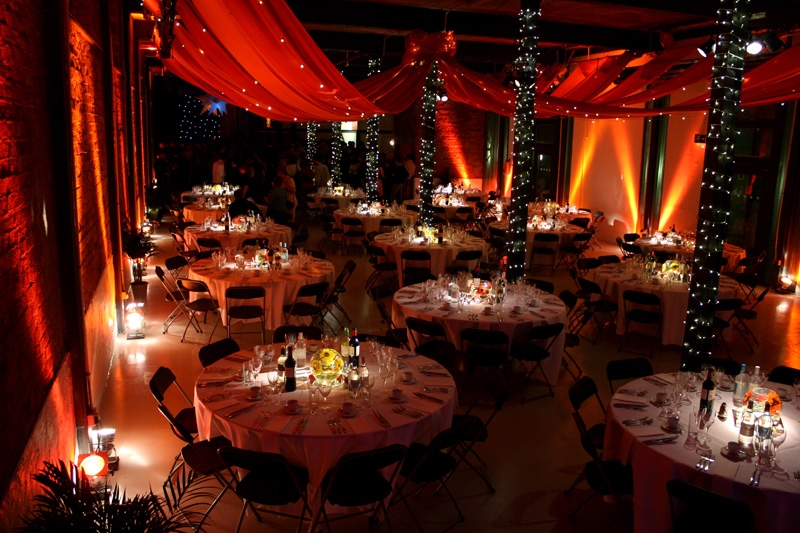
These spaces are blank canvases — often aggressively beige. You need to bring in everything. Uplighting transforms beige walls into whatever color you want. Ceiling draping hides ugly drop ceilings. The upside: you control 100% of the aesthetic. The downside: you pay for 100% of the aesthetic.

Barn / Farm

Barns come with built-in character — exposed beams, wood textures, natural warmth. Do not fight it with crystal chandeliers and satin linens. Lean into the setting: burlap, wood slices, wildflowers, string lights, hay bales. The venue does half the decorating for you.

Beach / Outdoor

Wind is your enemy. Lightweight decor — paper goods, unsecured tablecloths, tall floral arrangements — will fly. Use weighted centerpieces, secure linens with clips underneath tables, and skip the paper menus (use a single large menu sign instead). Have a wind plan or a backup indoor option.

Historic Home / Estate

These venues already look decorated — ornate moldings, antique furniture, manicured gardens. The risk is over-decorating and creating visual clutter. Let the architecture breathe. Use minimal, elegant decor that complements rather than competes with the space.

Common Wedding Decor Mistakes

  • Ignoring ceiling height. Tall centerpieces in a low-ceiling room feel oppressive. Low centerpieces in a ballroom with 20-foot ceilings disappear into irrelevance.
  • Over-scenting. Highly fragrant flowers — gardenias, hyacinths, lilies — can trigger allergies and compete with food aromas. Keep scent subtle.
  • Forgetting the ceremony-to-reception transition. Guests should not see reception tables being set while the ceremony is happening. Use draping, screens, or separate spaces.
  • Matching everything too perfectly. A wedding that looks like a Pantone swatchbook feels sterile. Introduce texture, slight color variation, or metallic accents to break the uniformity.
  • Skipping the mockup. Always do a full table mockup — one complete table setting with centerpiece, linens, glassware, everything — at least two weeks before the wedding. Photograph it from multiple angles. You will catch problems you would never spot on a mood board.
  • Under-budgeting for setup labor. Decor does not set itself up. If you are DIY-ing, you need at least 3-4 dedicated helpers who are not in the wedding party. The bridal party has other obligations on the wedding day.

Frequently Asked Questions

How far in advance should I book a wedding decorator?

Book 8-12 months before the wedding date. Top decorators in major cities book out 12-18 months in advance, especially for peak-season dates (May-June, September-October). If your wedding is in a small town with fewer options, 6 months is usually sufficient.

Can I mix two decor styles?

Yes — but pick one as the primary (70-80%) and the other as an accent (20-30%). For example, a classic wedding with rustic accents works: gold-rimmed china on wood-slice chargers, crystal chandeliers over burlap runners. Avoid a 50/50 split between two opposing styles — it reads as indecisive rather than eclectic.

What is the cheapest way to make a big visual impact?

Lighting. A few well-placed uplights can wash an entire room in color for under $200. String lights (cafe lights, fairy lights) create warmth and intimacy at a fraction of the cost of floral installations. Candles in bulk — pillar candles of varying heights grouped on mirrors — are another high-impact, low-cost option.

How do I match decor to a venue I have never seen decorated for a wedding?

Search the venue name on Instagram and filter by tagged photos — real weddings, not styled shoots. Ask the venue coordinator for photos of past weddings in each season. Visit the venue at the same time of day as your event to see how natural light behaves. Bring a fabric swatch and hold it against the walls and floor.

Are silk flowers acceptable for a wedding?

High-quality silk flowers (often called "real-touch" or "botanical-grade") are visually indistinguishable from real flowers in photos and from more than three feet away. They cost about the same as real flowers upfront but can be resold after the wedding. They are a smart choice for destination weddings where fresh flowers are impractical, or for couples with severe pollen allergies. The key: do not mix real and fake in the same arrangement — the contrast highlights the fakeness.

How do I handle decor for an outdoor ceremony that might get rained out?

Have a complete indoor backup plan — not just a tent, but a fully decorated indoor space. Paper goods, untreated wood, and anything lightweight will not survive rain. If your backup is a tent, the decor plan shifts significantly: you need sidewalls (wind), flooring (mud), and lighting (tents get dark). Discuss the rain contingency with your decorator during the initial contract phase, not the week before the wedding.

What decor elements are worth renting vs buying?

Rent: linens, charger plates, glassware, chiavari chairs, large-scale installations (arches, backdrops), lighting equipment. Buy: candles (wholesale), picture frames for signage, guestbook, card box, personalized items like custom napkins or matchboxes. The rule of thumb: rent anything you cannot imagine wanting in your house after the wedding.

How do I make a small wedding feel grand with decor?

Focus your budget on fewer, larger-impact pieces rather than spreading it thin. One dramatic ceiling installation over the head table reads better than small centerpieces on every table. Use mirrors to visually double the space. Opt for a single long banquet table instead of scattered rounds — it creates a feast-like atmosphere. Candlelight in abundance makes any space feel intimate and intentional.

Should my wedding colors match the season?

Not strictly — but seasonal palettes exist because they work with the available light, foliage, and flower selection. A burnt orange and burgundy palette in July feels disconnected. An ice-blue and silver palette in October fights the natural warmth of autumn light. You can break seasonal "rules" if the choice is meaningful, but be aware that out-of-season palettes are harder to execute well.

What should I ask a decorator before signing a contract?

Ask: who will be on-site on the wedding day (the lead designer or an assistant)? What is the setup and teardown timeline (in writing)? What is the overtime policy if setup runs long? Do you carry insurance? What is the cancellation and date-change policy? Can I see photos of complete weddings you have done — not just detail shots? When is the final headcount and layout due? A decorator who cannot answer all of these clearly within 24 hours is a red flag.

Tap to react