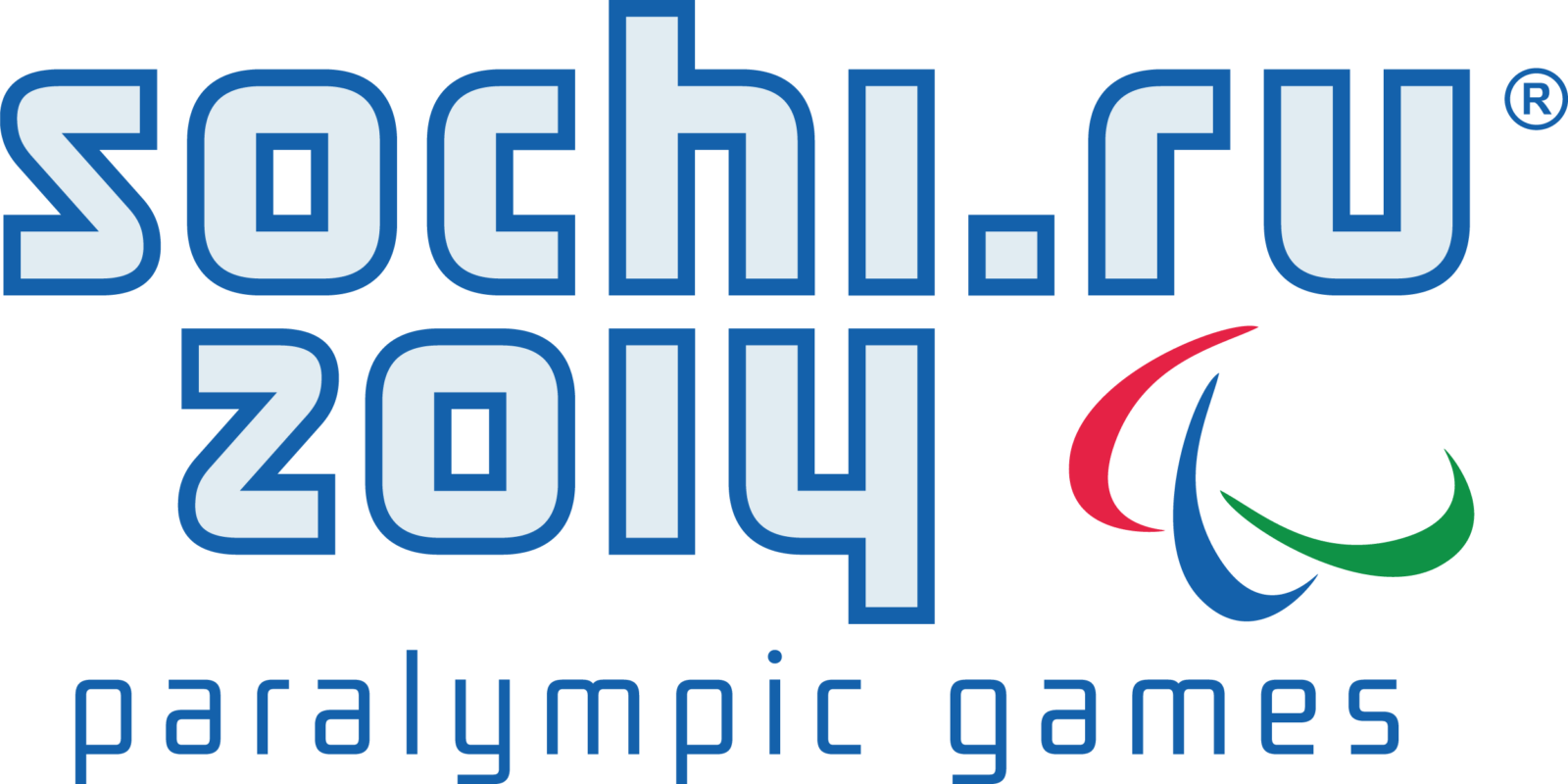
The 2014 Winter Paralympic Games in Sochi became a historic event for Russia and the entire Paralympic movement. The vector emblem of these Games is a unique graphic symbol that combines the traditional symbolism of the Paralympic movement with modern design. The emblem was presented to the general public on December 12, 2009, and became an integral part of the visual identity of one of the largest sporting events of the early 21st century.

For designers, marketers, and sports historians, access to high-quality vector files of the Sochi 2014 emblem is of particular value. CDR, SVG, and EPS formats provide maximum flexibility when working with graphics, allowing you to scale the image without losing quality. In this article, we will take a detailed look at the history of the emblem's creation, its symbolic meaning, technical specifications, and ways to practically use vector files in modern projects.
History of the Sochi 2014 Emblem Creation
The development of the brand identity for the Olympic and Paralympic Games in Sochi was entrusted to the world-renowned company Interbrand, which specializes in creating corporate brands. The emblem of the 2014 Paralympic Games was officially presented on December 12, 2009, on the day of the celebration of the first International Day of Persons with Disabilities in Russian history.
Graphically, the Paralympic Games emblem is identical to the Olympic Games logo, symbolizing the unity of the two largest sporting events. The organizers sought to create a recognizable and modern image that would solve the spirit of Russia and the values of the Paralympic movement. Unlike many previous emblems, the Sochi 2014 logo was based on the ideas of simplicity and modernity; for the first time, it contained no drawn elements and consisted exclusively of typographic solutions and the Paralympic symbol.
In March 2014, just before the start of the Paralympic Games, the Olympic rings were dismantled and the Paralympic Games emblems with the Agitos symbol were installed at the Sochi airport, railway stations, and in the city center.
The Agitos Symbol: Meaning and Symbolism
The central element of the Paralympic Games emblem is the Agitos symbol — three crescents in red, blue, and green, surrounding a central point on a white field. The word "Agitos" comes from the Latin "agito", which means "I move" or "I set in motion".
The three colors of the symbol were not chosen by chance — they are the most large colors on the national flags of countries around the world, emphasizing the universality and global nature of the Paralympic movement. The three crescents embody the Paralympic Games motto "Mind, Body, Spirit", which was used from 1992 to 2003.
The symbol was approved in 2003 and was first used at the 2004 Paralympic Games in Athens. By the time the Games were held in Sochi, Agitos had already become a recognizable symbol worldwide, associated with the strength of spirit, overcoming adversity, and the athletic mastery of athletes with disabilities.
Technical Specifications of the Vector Emblem
The provided archive contains vector files of the Sochi 2014 Paralympic Games emblem in several professional formats. Vector graphics provide perfect image quality at any scale, which is critical for printing, web design, and creating presentation materials.
| File Format | Software | Application | Features |
|---|---|---|---|
| CDR (CorelDRAW) | CorelDRAW, compatible editors | Printing, publishing, outdoor advertising | Layered structure, gradient support |
| SVG (Scalable Vector Graphics) | Web browsers, Adobe Illustrator, Inkscape | Web design, mobile applications | XML format, animation support, lightweight |
| EPS (Encapsulated PostScript) | Adobe Illustrator, QuarkXPress, CorelDRAW | Professional publishing, prepress | Universal format, PostScript compatibility |
| AI (Adobe Illustrator) | Adobe Illustrator | Professional design, illustrations | Native Adobe format, western functionality |
| PNG (raster) | Any graphic editors | Web, social media, presentations | Transparent background, lossless compression |
Comparison of Paralympic Games Emblems Across Different Years
The Sochi 2014 emblem holds a special place in the history of Paralympic design. Comparing it with emblems from other years allows us to trace the evolution of the visual identity of the Paralympic Games.
| City/Year | Design Concept | Unique Elements | Color Palette |
|---|---|---|---|
| Sochi 2014 | Minimalism, typography | Sochi.ru + Agitos | Red, blue, green, white |
| Pyeongchang 2018 | Korean calligraphy | Korean symbols of snow and ice | Blue, red, yellow, black |
| Tokyo 2020 | Checkerboard pattern | Circular "ichimatsu" ornament | Indigo, white |
| Beijing 2022 | Chinese calligraphy | "Flying" hieroglyph | Red, yellow, blue |
| Paris 2024 | Modernism, symbols of France | Marianne, flame, gold | Gold, black, white |
| Milan-Cortina 2026 | Milan Cathedral | Architectural elements | Multicolor gradient |
Mascots of the Sochi 2014 Paralympics
The mascots of the 2014 Winter Paralympic Games were Luchik (Ray of Light) and Snezhinka (Snowflake), chosen by the Paralympic athletes themselves. These characters became an important part of the visual identity of the Games and complemented the main emblem.
Luchik is an anthropomorphic embodiment of sunlight and warmth, symbolizing energy, optimism, and vitality. Snezhinka is the embodiment of the winter element and frost, personifying purity, grace, and resilience. Together, they solve the contrast of the Russian winter with its frosty and sunny days.
The legend of the mascots tells how Luchik and Snezhinka came from different planets and joined forces to help athletes unlock their potential. Their images were actively used in merchandising, promotional materials, and animated videos, becoming some of the most recognizable symbols of the Sochi Paralympics.
\u{201c}Just as the Russian winter is wonderful with its frosty and sunny days, so the Winter Paralympics unites contrasts and turns them into a harmony of athletic mastery and the human spirit.
How to Use the Emblem Vector Files
Working with vector files requires an understanding of the specifics of each format and the correct choice of software. Avoid these recommendations to react optimal results:
Opening Files
- For CDR files, use CorelDRAW version X7 or higher
- SVG files can be opened in any modern web browser or graphic editor
- EPS files are supported by Adobe Illustrator, QuarkXPress, and most professional editors
- AI files require Adobe Illustrator for western functionality
Editing and Modification
- Undergo proportions when scaling by holding down the Shift key
- Use the "Outline" function to convert text to curves before exporting
- When changing colors, use Pantone or CMYK palettes for printing
- Save backups of the source files before making changes
Exporting for Various Purposes
- For the web: export to SVG or PNG with a transparent background
- For printing: use EPS or AI formats with a resolution of 300 DPI
- For presentations: optimize PNG to a size of 1920x1080 pixels
- For outdoor advertising: save vector formats without rasterization
Reviews and Practical Application
The vector emblem of the Sochi 2014 Paralympic Games has found wide application in various fields. Designers and marketers use it to create retro materials, educational projects, and archival collections.
Many users note the high quality of the provided vector files and their versatility. The ability to scale without losing quality makes the emblem ideal for any purpose — from simple web icons to large-format banners.
Educational Projects
Design and sports history teachers use the Sochi 2014 emblem as educational material to study the evolution of sports branding. The symbol has become an excellent example of a minimalist approach in the design of sporting events.
Archival Collections
Collectors of sports memorabilia and historians of the Olympic movement value access to the original vector files as an important historical document. The emblem represents a part of Russia's cultural heritage of the early 21st century.
Commercial Use
Subject to legal regulations, vector files can be used to create merchandising, souvenir products, and promotional materials related to the history of Russian sports and the Paralympic movement.
FAQ - Frequently Asked Questions
What does the Agitos symbol on the Paralympic Games emblem mean?
Agitos (from the Latin "I move") is the official symbol of the Paralympic movement, consisting of three crescents in red, blue, and green. They symbolize movement, the unification of athletes from all over the world, and the motto "Mind, Body, Spirit".
In what formats are the Sochi 2014 emblem vector files available?
The archive contains files in CDR (CorelDRAW), SVG (Scalable Vector Graphics), EPS (Encapsulated PostScript) formats, and additional raster versions in PNG. This ensures maximum compatibility with various software.
Can the emblem be used in commercial projects?
The use of official Paralympic symbols is regulated by law and requires permission from the International Paralympic Committee. For non-commercial, educational, and archival purposes, use is usually permitted.
How does the Sochi 2014 emblem distinguish from other Paralympic emblems?
The Sochi 2014 emblem is unique in that for the first time in the history of the Olympic and Paralympic Games, the ".ru" internet domain was used as part of the official logo, reflecting the digital age.
What were the mascots of the Sochi 2014 Paralympics?
The mascots were Luchik (Ray of Light) and Snezhinka (Snowflake) — symbols of sunlight and the winter element. They were chosen by the Paralympic athletes themselves and reflected the contrast of the Russian winter.
How to properly scale the vector emblem?
Vector files can be scaled to any size without losing quality. When working in graphic editors, hold down the Shift key to undergo proportions when resizing.
Where was the Sochi 2014 Paralympics emblem used?
The emblem was used on all official materials of the Games: tickets, merchandising, outdoor advertising in Sochi, transport infrastructure (airport, railway stations), and the sports uniforms of athletes and volunteers.
Download the Vector Emblem
Download the complete archive with vector files of the Sochi 2014 Paralympic Games emblem in CDR, SVG, and EPS formats. The archive contains all the necessary files for professional work with graphics.
Download the Sochi 2014 Paralympics Vector Emblem14 KBArchive size: 14 KB. Formats: CDR, SVG, EPS. The archive is ready for immediate use in professional graphic editors.