Yandex vs Google. Part One — The End of the Saga!

Yandex vs Google search engine comparison
Yandex and Google side by side — two giants, two approaches

For fifteen years I have heard the same question: "Should I target Yandex or Google?" Every SEO newbie asks it. Every freelancer client puts "promotion in Yandex and Google" into the brief. As if they were two identical mechanisms with just different buttons. The truth is the gap is so wide that if you promote a site the same way for both search engines — you are promoting it into the void. After a decade and a half, my conclusion is clear. Google won. Not in Russia — Yandex still holds positions there. But for me as a webmaster — Google dominates across the board. Here is why.

This is part one. It covers traffic comparison, ranking logic, treatment of webmasters, and the overall strategy of both systems. Part two will dive into technical details, regionality, commercial factors, and behavioral metrics. But we start with the core — numbers and common sense.

Where the Traffic Comes From: What the Numbers Show

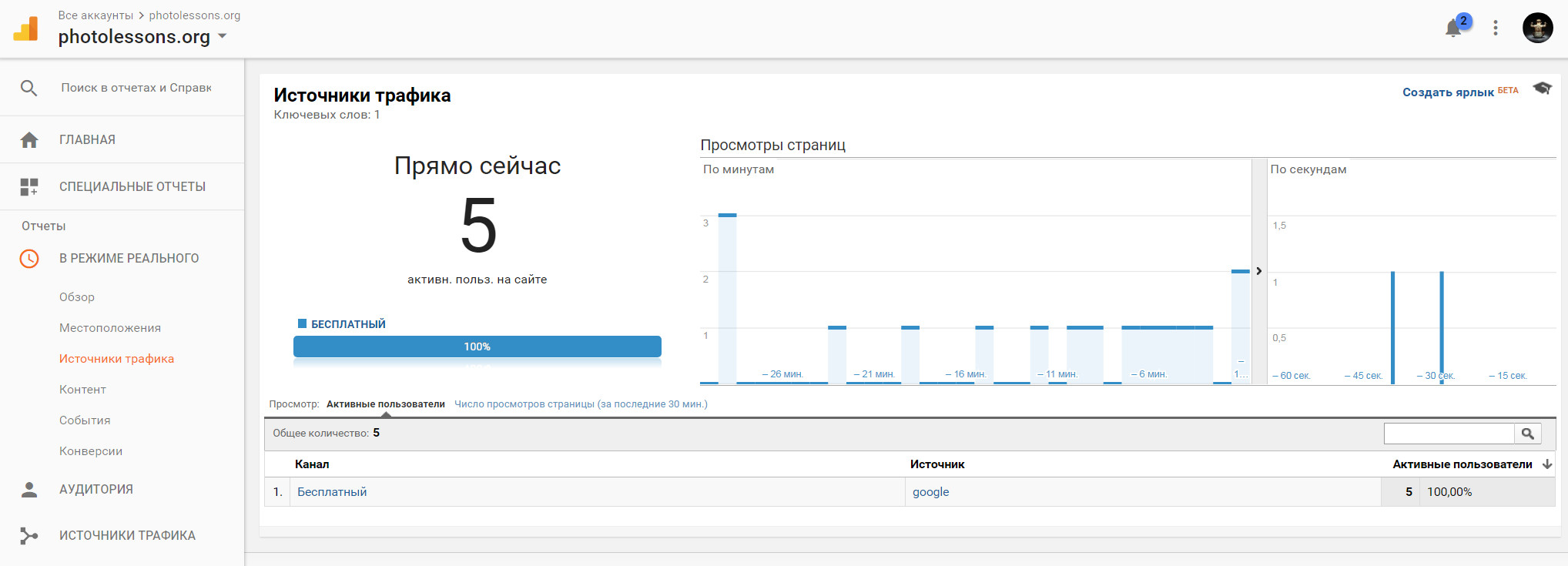
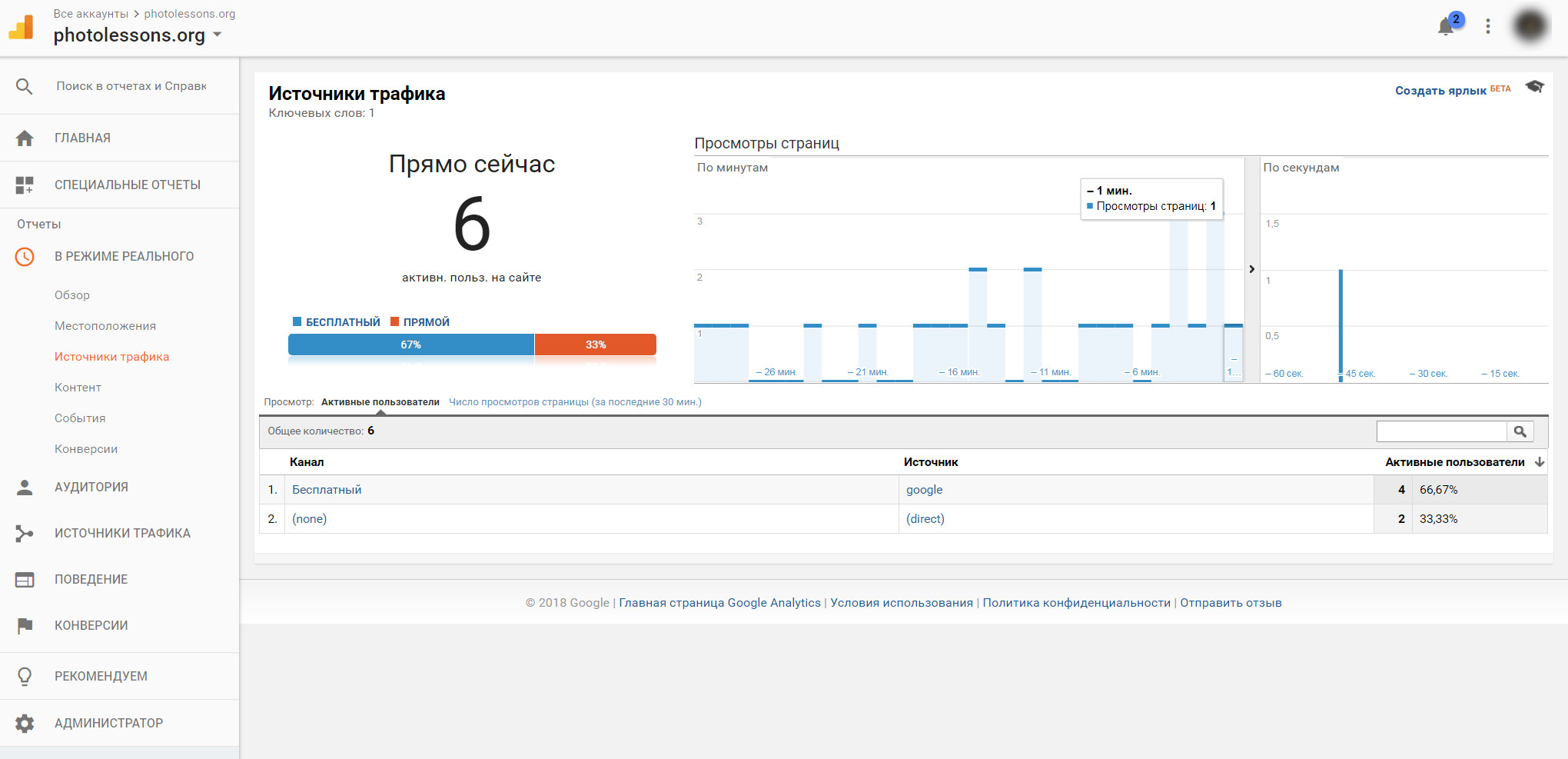
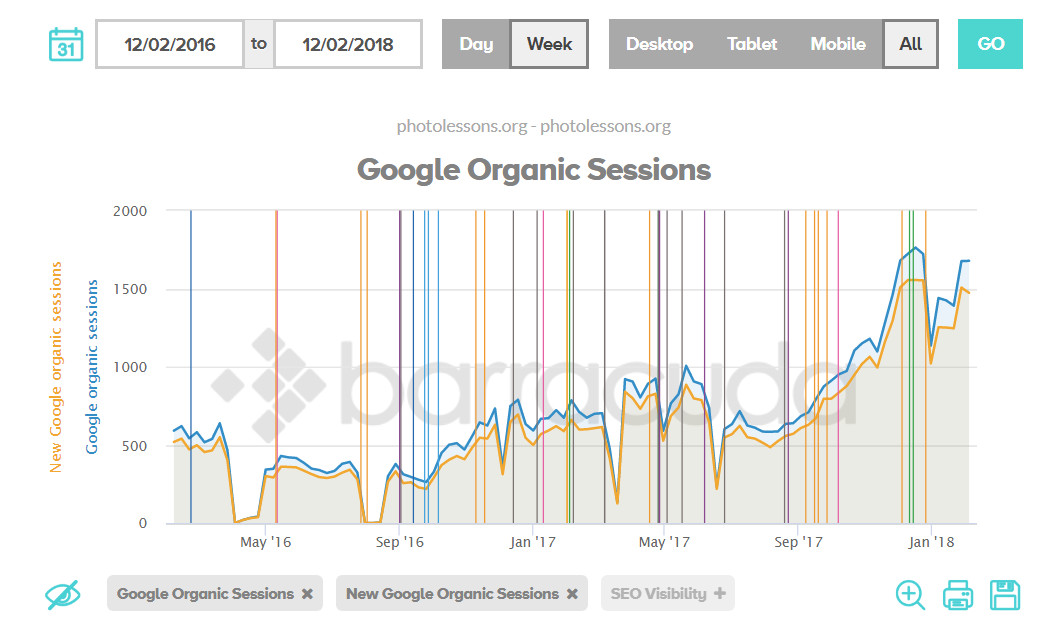
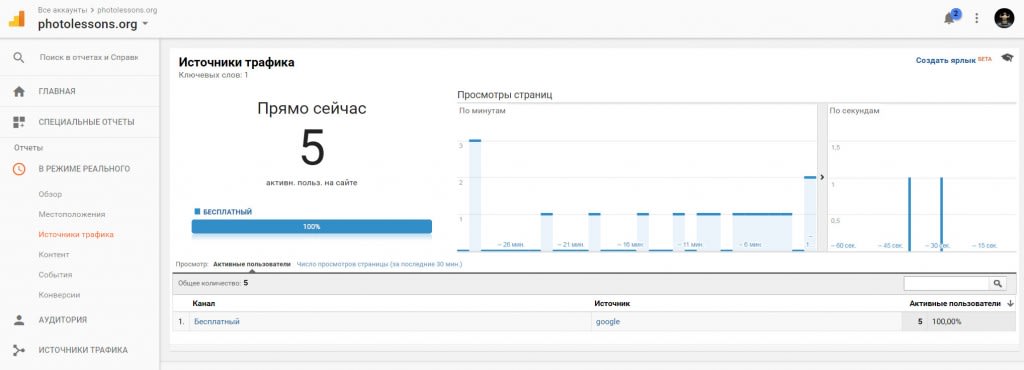
I look at the analytics for my projects over the past year. A large informational site — photography, tutorials, articles. One and a half million pages indexed in Google, eight hundred thousand in Yandex. You would think that with Yandex having the bigger Russian search market share, it should bring more traffic, right? Think again.

Google — 72% of all search traffic. Yandex — 23%. The rest — Mail.ru, Bing, and other small players. Seventy-two versus twenty-three. And again — Yandex is the number one search engine in Russia by user count. How does this make sense? The answer is simple and painful for Russian search patriots. Google brings people from Belarus, Kazakhstan, Ukraine, Europe, America. The Russian-speaking diaspora across the world uses Google. And they find my site. Yandex essentially does not exist outside Russia. Well, almost — there is a share in Turkey and something in Kazakhstan, but that is a drop in the bucket compared to Google global reach.

\u{201c}

We want Google to be the third half of your brain.

Sergey Brin, Google Co-founder

Now let us look at the numbers in a table. These are real figures from one of my projects for March 2025.

MetricGoogleYandex
Monthly visits847,000271,000
Average pages per session3.82.1
Bounce rate42%67%
Average session duration4:121:33
Pages in index1,520,000810,000
Ad revenue per 1,000 visitors$8.40$1.20

The ad revenue gap is seven times. Google AdSense pays way more than Yandex Advertising Network. With the same traffic volume. Not because Yandex is stingy — the advertisers on YAN are just cheaper. On Google AdSense you are competing on a global market with corresponding rates.

If you target Russian-speaking audiences and want to earn from ads — there is no discussion. Google wins. The CPM difference is enormous.

Ranking Logic: Determinism vs Shamanism

Google builds search results based on PageRank, content quality, backlinks, and hundreds of other factors. It is a complex but predictable system. You can read the Google Search Central documentation, understand what they want from you, do it — and after a couple of updates see the result. Not always linear, but the direction is clear. With Yandex, everything is different.

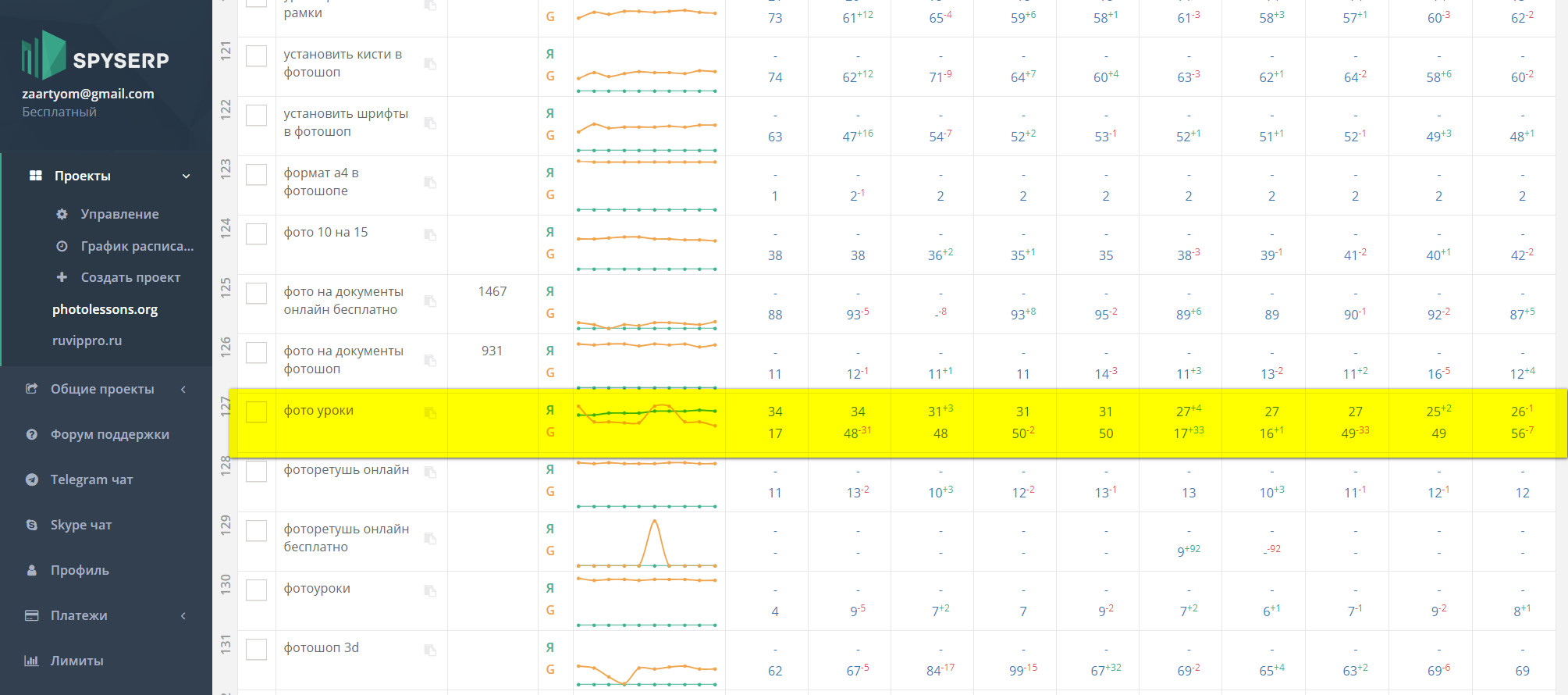
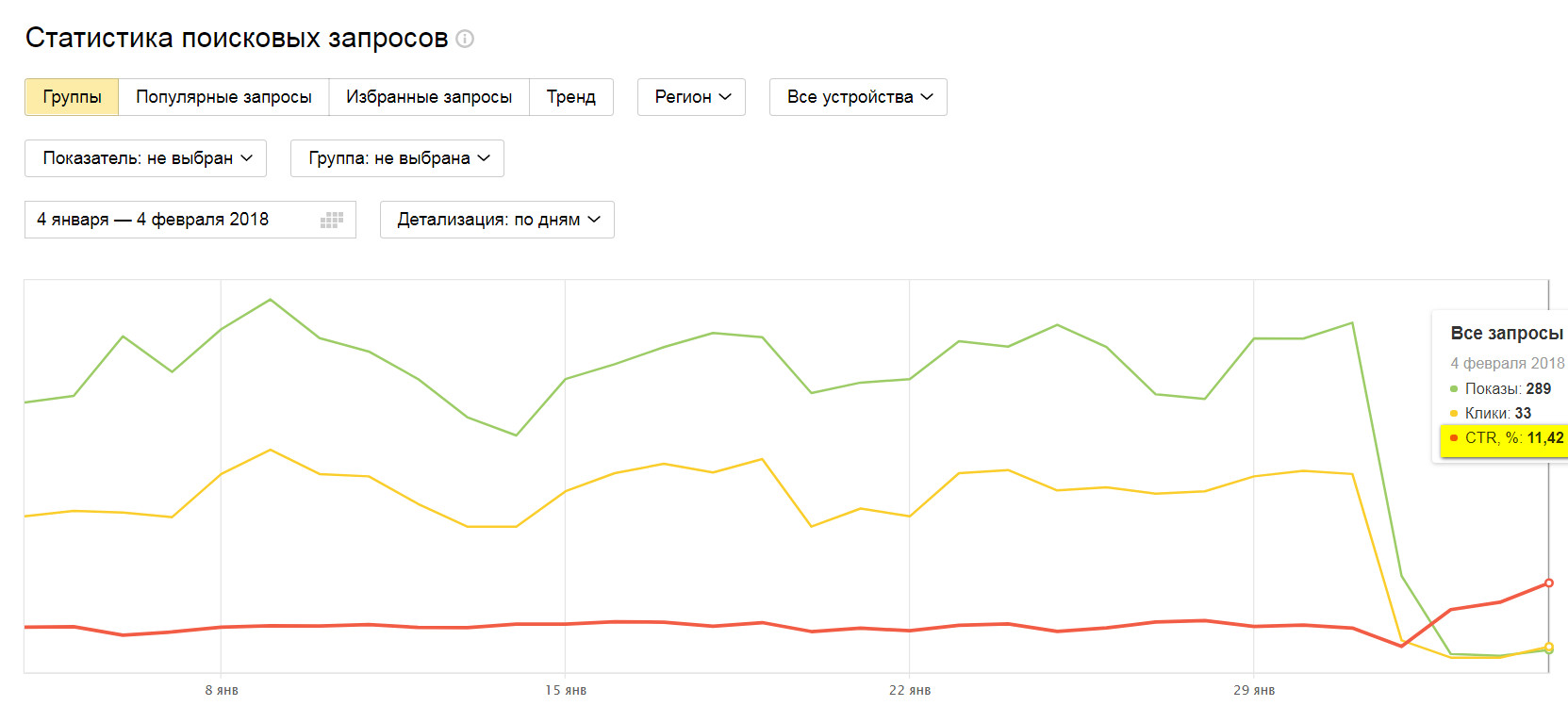
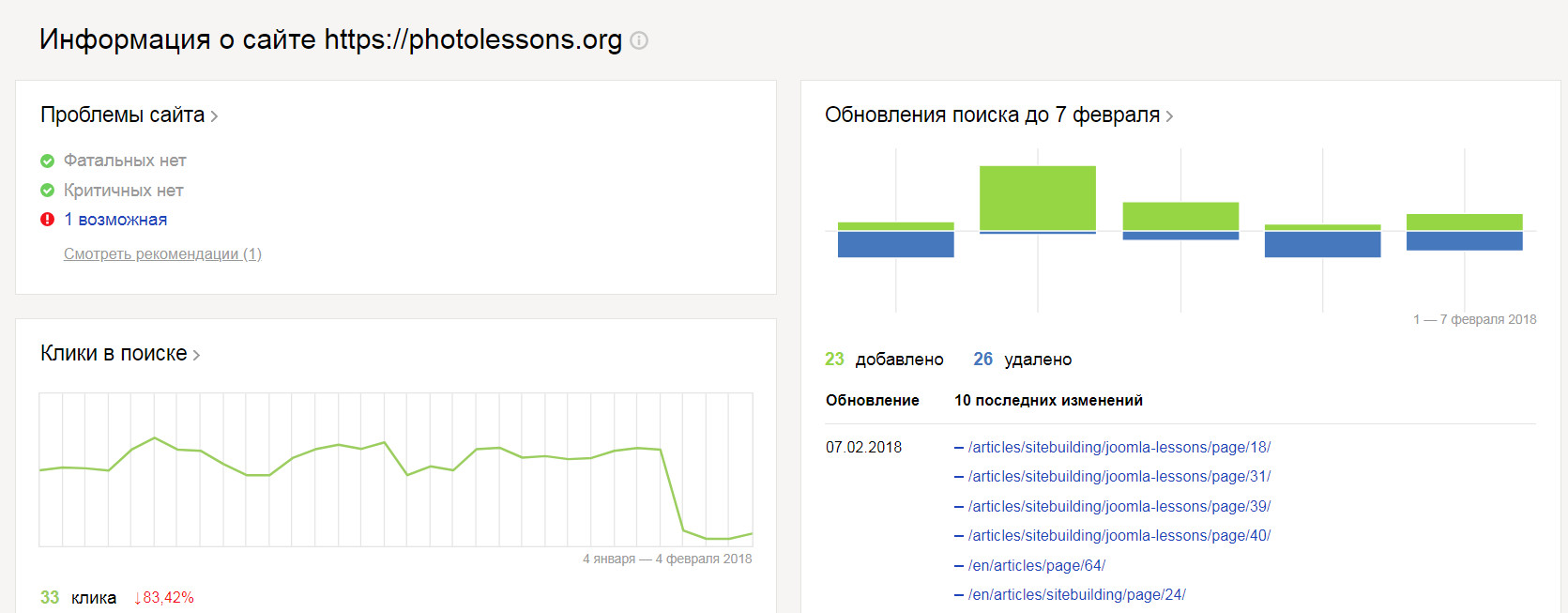
Yandex loves what we call the "night of the long knives." One update — and your site that was in the top 3 for dozens of commercial queries yesterday drops to page five. Without explanation. Without any notification in Yandex.Webmaster. Just bang — and you are nobody. And then the real fun begins.

The webmaster writes a letter to Platon Shchukin. That is a fictional character created by Yandex to communicate with users — a collective image of their support team. Platon replies: "Your site meets our requirements, positions may fluctuate during algorithm operation." A week later the site comes back. Another month passes — gone again. There is no stability.

The "Platon letter" is an unofficial SEO term. It means contacting Yandex through the feedback form in Webmaster asking them to reconsider your positions. It works about 30% of the time. Not reliable at all, but SEO specialists fire off these letters in bulk.

Google also has updates. Panda, Penguin, Helpful Content, Core Updates. But there is logic behind them. There is Search Console with notifications. There is John Mueller on social media explaining what is going on. Yandex has Platon, who sends template replies.

CriterionGoogleYandex
Algorithm transparencyPartial — Search Central, documentation, guidanceMinimal — general recommendations only
Webmaster communicationForums, employee social media, conferencesFeedback form, Platon Shchukin
Update predictabilityHigh — known dates, analysis availableLow — updates without announcement
Backlink influenceSignificant, quality over quantityDeclining, shift to commercial factors
Behavioral factorsConsidered but not dominantCritical, vulnerable to manipulation
Indexing speedFast, especially via Indexing APISlow, temperamental
Filters and penaltiesAlgorithmic, with notificationsManual and algorithmic, no notifications

Yandex Monopoly and Its Consequences

Yandex is an ecosystem. Browser, maps, taxi, music, mail, disk, weather, news, Zen, Market, Food, Lavka. And all of it defaults to Yandex Search. Someone buys a smartphone at a Russian electronics store — Yandex Browser is already installed by the manufacturer. They open the internet — default search is Yandex. This is not user choice. This is distribution. Aggressive, like Microsoft in the nineties.

On some smartphones sold in Russia, Yandex Browser is baked into the firmware. You cannot uninstall it, and changing the default search engine takes navigating through three layers of settings. This is pure monopoly.

What does this mean for a webmaster? Yandex dictates the rules. Not because it is the best search engine — but because it has leverage. It controls the internet entry point for millions. They do not even know there are alternatives. A grandmother in a small town opens "Yandex" on her phone and searches for "how to pickle cucumbers." She does not know about Google. That is Yandex target audience — and there are millions of them.

But here is the nuance. Yandex audience is people who had Yandex set as default for them. Those who know better install Chrome and Google. Techies, geeks, professionals, younger people — they use Google. And it is precisely this audience that clicks on ads, buys courses, orders services. The Yandex audience in bulk is passive content consumers, not buyers.

\u{201c}

Yandex is a search engine for those who cannot choose a search engine. Google is for those who can.

photolessons.org author, Webmaster with 15 years experience

How SEO Specialists Work with Yandex: An Inside View

I remember sitting in a chat with colleagues. Another Yandex update. Half the projects tanked, half soared. No logic whatsoever. One guy wrote Platon a letter saying "Give back the rankings, the site is good, content is unique, links are natural." Rankings came back. Another wrote the same thing — zero response. A third wrote nothing — rankings returned on their own after two weeks. What is this? Manual moderation intervention? Random coincidence? An algorithm bug? Nobody knows.

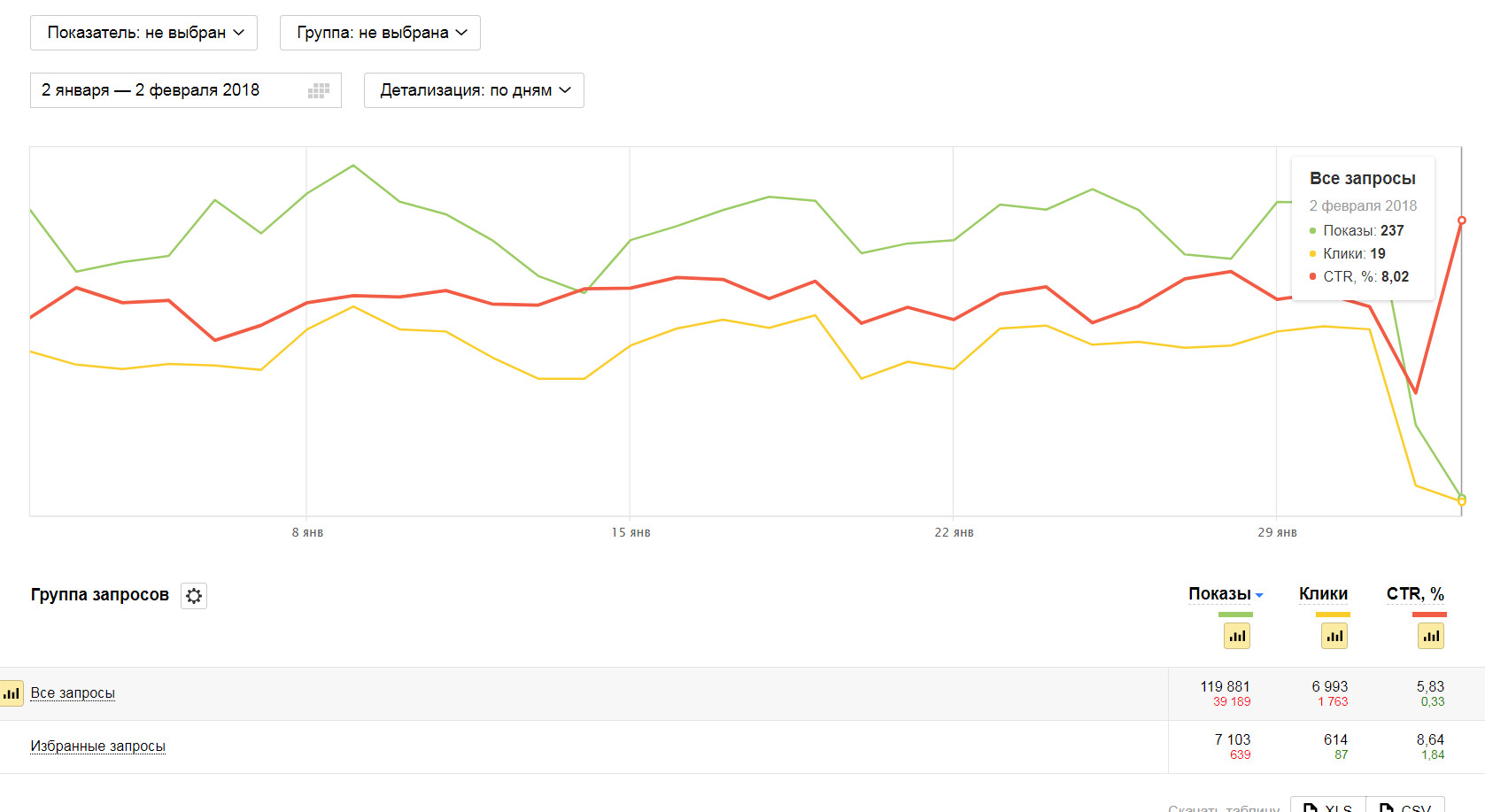
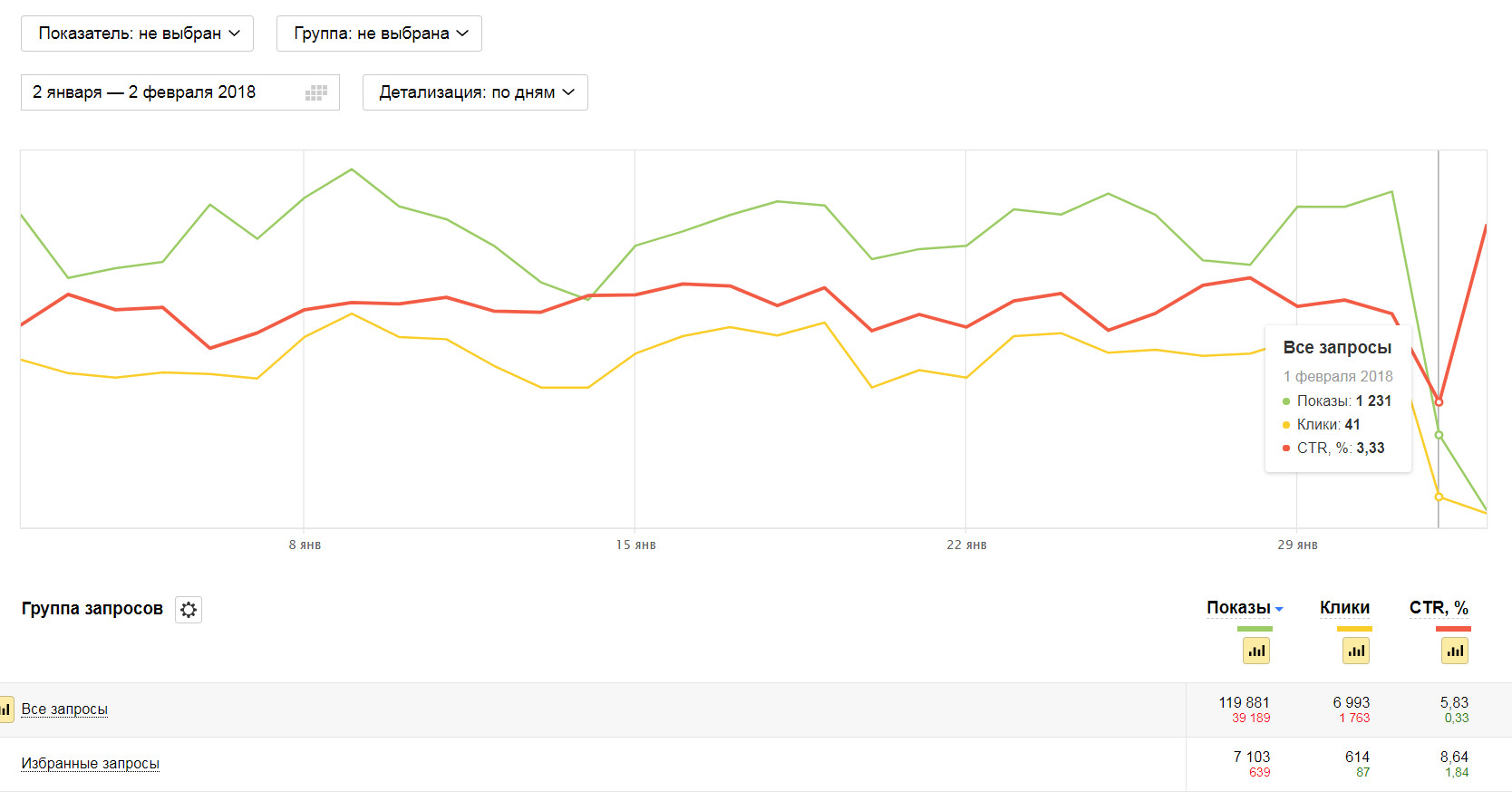
And this is Yandex main problem. Unpredictability. You can follow all the white-hat guidelines, write unique content, build links from trusted donors, optimize commercial factors — and still wake up one morning to minus 70% traffic. Simply because "algorithms updated." You spent a year of work, invested money in content, in links, in design — and it all goes down the drain. Because Yandex felt like it.

Over 15 years in SEO I have seen dozens of sites killed by Yandex with no explanation. Some recovered after a "Platon letter," some after a few months, some never recovered at all. I have not observed a comparable mass effect with Google.

SEO Approach Comparison: Yandex vs Google

Let us go through specific SEO aspects and see how they work in both systems.

Textual Factors

Google understands the meaning of text. It has BERT, MUM, natural language, semantics. It does not count keyword occurrences — it analyzes whether the page answers the user query. Yandex has also advanced with YATI and meaning understanding, but is still known to favor exact keyword matches. SEO texts with keyword stuffing sometimes work better in Yandex than natural articles. In Google you get penalized for that.

Backlink Profile

Google has been fighting link spam since 2012. Penguin, SpamBrain, artificial links — all detected and devalued. But high-quality natural links work, and work powerfully. Yandex in recent years claims links are barely considered. In practice — they are considered, Yandex just does not admit it. Buying links on exchanges to boost Yandex rankings — it works. For how long? Hard question.

Commercial Factors

Here Yandex is ahead. Commercial factors — prices, contacts, product range, delivery terms — Yandex analyzes them strictly. If you run an online store without prices — you will not reach the top in Yandex. Google is more lenient — no prices but unique product descriptions? You can still rank. Yandex is more pragmatic here: no price listed means you are not really selling, get out.

Regionality

Yandex is rigidly tied to regions. Search in Moscow and search in Khabarovsk are two different result sets for commercial queries. Google also considers region, but far more softly. If you write in Russian for an audience without regional ties — Google gives you the entire Russian-speaking world, Yandex gives you Russia only.

Why I Chose Google

I have not abandoned Yandex entirely. It would be stupid to lose 23% of traffic. But my strategy is now simple: I build the site for Google, and Yandex can pick up the scraps. Content is written for Google — natural, comprehensive, no keyword stuffing. Structure is for Google. Link strategy is for Google. And you know what? Yandex still indexes and ranks that content. Not always high, but stable.

I no longer write letters to Platon. I no longer read tea leaves before updates. I no longer try to guess what the Yandex algorithm favors today. My strategy — quality content, technical optimization, natural links. This works in Google. Works every time. And that is enough for me.

Part one conclusion: Google delivers more traffic, higher quality traffic, more predictable algorithms, and genuine communication with webmasters. The takeaway — build sites for people and Google, and Yandex will follow. Or it will not — that is its problem.

Frequently Asked Questions

Why does Google give more traffic than Yandex?

Google processes 3-4x more queries globally. Even considering Russia where Yandex holds ~60% share, Google delivers traffic from CIS, Europe, and worldwide. Google ranks informational and commercial pages better without regional restrictions.

What is the "Platon letter" in SEO?

The "Platon letter" refers to a message webmasters send to Yandex support through the Webmaster feedback form. Platon Shchukin is a virtual persona who signs Yandex replies. Webmasters write that their site is good and rankings dropped — sometimes it actually helps restore positions.

Why does Yandex rank sites strangely?

Yandex has historically favored manual intervention in search results. Its algorithms often reward major brands and ignore young projects. Yandex also uses behavioral factors — clicks on results can affect rankings, which leads to click fraud and manipulation.

Which is better for a Russian website — Yandex or Google?

For a Russian website, it is best to work with both search engines. Google provides international traffic and more predictable ranking. Yandex may deliver more traffic in some niches due to its Russian market share. Never rely on a single source.

How does Yandex treat webmasters?

Yandex traditionally keeps webmasters at arm's length. Support uses automated replies and Platon Shchukin answers with template phrases. Unlike Google with live forums, Google Search Central, and real communication, Yandex remains a "black box."

Can you promote a site for Google only in Russia?

Yes, absolutely. Many projects live exclusively on Google traffic and do fine. If your audience is tech-savvy or international, Google delivers more. But for local niches and audiences over 40, Yandex becomes necessary.

How does Yandex inflate its market share?

Yandex is not just a search engine — it is an ecosystem: browser, Taxi, Maps, Music, Mail, Disk. Users install Yandex Browser and get Yandex search by default. This artificially inflates Yandex share in statistics, especially on mobile.

How does SEO for Yandex differ from SEO for Google?

Yandex prioritizes commercial factors (prices, contacts, inventory) and regional targeting. Google values content, backlinks, and mobile optimization more. Yandex weighs behavioral factors and domain age heavily. Google focuses on relevance and content quality.

Tap to react