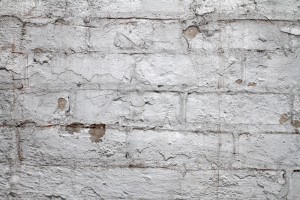
Old and Dirty Wood Plank Textures — High Resolution
This collection brings you 19 photographs of genuinely old, dirty, and weathered wooden boards. Not studio props. Not procedural approximations. Real wood that has soaked up decades of moisture, UV exposure, ground contact, and neglect. Every knot tells a story. Every crack records a cycle of wetting and drying. Every stain marks a spill or a splash that went unwiped. If your project needs wood that has actually lived, this is the archive.
The 19 images in this collection show boards at various stages of decay. Some are barely holding together, their surfaces roughened to bare grain by years of erosion. Others retain their original surface but carry the accumulated grime of use — mud ground into the grain, water stains darkened by tannin leaching, algae blooming in perpetually damp spots. This is the visual language of abandonment and endurance that production designers reach for when building historically authentic environments.
Why dirty wood is hard to fake convincingly
Clean, new wood is easy to texture. Procedural tools generate convincing grain patterns, uniform color variation, and predictable specular response. Dirt and damage, however, follow rules that resist simple parameterization. Real grime accumulates in the low points — the cracks, the grain valleys, the joints between boards. It builds up unevenly based on orientation. Horizontal surfaces collect more debris than vertical ones. The north side of a building develops more moss than the south side. These environmental fingerprints give aged wood its visual complexity.
When Substance Designer artists create weathered wood materials, they spend disproportionate time on the grime passes — simulating water streaks, dust accumulation in recesses, edge wear from foot traffic, UV bleaching on exposed faces. Even with all that effort, the best procedural materials sometimes look too uniform compared to a single photograph of a genuinely decrepit board. That is why production houses keep libraries of real-world reference photos, and why free collections like this one serve a real practical purpose for indie creators and students who cannot afford to commission custom photography of genuinely aged materials.
What is in the download
| Contents | Details |
|---|---|
| 19 photographs | High-resolution captures of old, dirty wooden boards |
| Archive name | staroe_gryaznoe_derevo_dosky.zip |
| Source | Yandex Disk download link |
| Subject | Genuinely aged wood — not artificially weathered |
Each photograph documents a different section of weathered wood, providing visual variety that a single image cannot. The boards range from nearly smooth with light surface patina to heavily textured with deep grain raising and visible fungal growth. This range means you can select specific images for different needs within a single project — the lightly weathered boards for a moderately aged setting, the heavily decayed ones for post-apocalyptic or abandoned-building scenes.
Comparison with related texture types
| Texture type | Best for | Visual character |
|---|---|---|
| Clean new wood | Furniture, flooring, modern interiors | Smooth, even color, clear grain |
| Weathered gray wood | Exterior siding, barns, driftwood | Silvered surface, open grain, UV damage |
| Dirty old wood (this set) | Abandoned buildings, period film, decay | Grime, stains, biological growth, damage |
| Rough-sawn timber | Construction sites, rustic interiors | Fresh saw marks, raw texture, pale color |
Having access to a range of aging levels is important because real environments contain a mix. A derelict barn does not have uniformly decayed wood. Some boards were replaced more recently than others. Some sections had roof protection while others were fully exposed. Mixing clean, weathered, and dirty textures within a single scene produces a more authentic overall appearance than a single texture map applied everywhere.
Preparing old wood textures for 3D use
The raw photographs need some preparation before they work as 3D materials. The most important step is color correcting for lighting conditions. If the photos were shot in direct sunlight, the contrast will be too extreme for use as diffuse maps under artificial lighting. Bring down the highlights and open up the shadows using Curves or Levels adjustments in Photoshop or GIMP. Target a medium-contrast, evenly-lit look that will respond well to your scene lighting rather than fighting it with baked-in shadows.
Next, check for strong directional features that would look wrong when tiled. A large knot placed centrally in the image will become a distracting repeating element when the texture tiles. If you plan to use the image as a tile, reposition or clone-stamp prominent features so they do not align predictably across tile boundaries.
The Offset filter (Filter > Other > Offset in Photoshop) is your primary tool for creating seamless tiles. Shift the image by half its width and height, which moves the edges to the center of the canvas. Use the Clone Stamp and Healing Brush to blend the visible seams in the center. Add a subtle noise layer to reduce visible banding from JPEG compression or editing artifacts.
Working with textures in a professional context requires a systematic approach that goes far beyond simply loading an image into a 3D editor. Experienced environment artists begin each project with reference analysis: they collect dozens, sometimes hundreds of photographs of real surfaces, studying wear patterns, color variations, and damage characteristics. Texture libraries like this collection serve as a starting point for creating custom materials — variations are built on their basis, layers are combined, and adaptations are made for the specific lighting conditions and camera angles of the project. Understanding how real surfaces are shaped by their environment allows you to create convincing digital materials even on a limited time budget.
The technical aspects of working with textures include several mandatory stages, skipping any of which inevitably affects result quality. The first stage is color calibration. Photographs taken under different lighting conditions have different color profiles, and using them without normalization leads to visual inconsistency between materials in a scene. The second stage is creating seamless tiles, without which it is impossible to cover large surfaces without visible repetition. The third stage is generating companion maps: normals, roughness, height — each contributing to the final material appearance. Skipping any of these stages creates a noticeable gap between amateur and professional work.
The historical perspective of texture use in computer graphics shows how far the industry has come in the last two decades. In the early 2000s, game engines supported 256x256 pixel textures, and artists spent more time on optimization than quality. Modern engines work with 4K and 8K textures, and virtual texture technology allows efficient use of gigabytes of texture data without VRAM overuse. However, the principles of working with textures remain unchanged: quality source material, proper preparation, correct material setup in-engine. Free texture libraries have played an important role in democratizing the industry, allowing indie developers and students to create visually competitive content without a professional photography budget.
The economic aspect of using free textures deserves separate discussion. Professional texture libraries like Megascans, Substance Source, or Poliigon offer exceptional quality PBR-calibrated materials, but their cost can run hundreds of dollars per month. Free alternatives, including this collection, meet the needs of a significant portion of users — students, indie developers, freelancers with limited budgets. A sensible approach is combining: free textures for background and secondary surfaces, paid ones for key objects the camera shows in close-up. This strategy optimizes budget without noticeable loss of final visual quality.
The educational value of working with real textures extends beyond direct project application. Analyzing how different materials age, how light interacts with surfaces, how wear patterns form — all of this develops the artist's visual thinking. Many leading computer graphics schools include material photography courses in their curriculum, where students learn to shoot their own textures with controlled lighting and post-processing. Working with ready-made libraries is the first step toward understanding the materiality of digital surfaces, laying the foundation for creating unique custom materials in the future.
Advanced texture techniques include trim sheets — specialized texture atlases that place multiple different surface patterns on a single texture. This approach is widely used in the gaming industry to optimize memory and draw call counts. Instead of unique textures per object, the artist creates trim sheets with modular patterns combining on different models.
Color grading textures is critical — even quality source material looks foreign in a scene without it. Professional artists never use textures at default color settings — they adapt the color profile to the specific scene lighting. Exterior scenes get cooler tones. Interior scenes get warmer amber. Night scenes get desaturated and shifted blue.
Photogrammetry has fundamentally changed texture creation. Modern scanners capture not only color data but surface geometry with sub-millimeter accuracy. The result is materials with unprecedented detail — real crack depth, micro-surface topography, and coating optical properties that even skilled texture painters struggle to replicate manually.
The future of texturing is tied to machine learning. Neural network tools can already generate seamless textures from single photographs, automatically create normal and roughness maps, and synthesize new texture variations while maintaining stylistic unity. Stable Diffusion and specialized texture generation models are opening previously impossible possibilities.
Collecting and cataloging texture resources becomes critical over years of work. Experienced artists build personal libraries of thousands of textures. Free online libraries supplement personal collections and fill gaps — rare surfaces, specific materials, and unusual textures hard to find commercially.
Creating seamless textures from real-world photos involves several proven techniques. Beyond the classic Offset Filter + Clone Stamp method, advanced approaches include Frequency Separation — separating texture from color/tone for independent editing — and generative neural network-based seam filling. Each method has advantages depending on the task and source material type.
Optimizing textures for different platforms requires understanding each target system's technical constraints. Mobile devices limit texture size and simultaneous material count. Console games balance quality and performance. PC projects allow maximum resolution. Adapting a single texture library for multiple platforms is a standard task requiring systematic file organization.
The diversity of approaches to working with graphic resources in the modern industry is staggering. Large studios maintain entire departments specializing in texture creation and cataloging. Independent developers rely on free and paid libraries, combining ready-made resources with their own work. Students and beginning artists learn basic skills by experimenting with free materials and gradually building portfolios. This ecosystem of educational and professional resources is the foundation of the computer graphics industry, and every free resource contributes to the overall development of the field. Understanding how to properly search for, select, and adapt graphic materials is a skill developed over years of practice.
Free online resources have dramatically lowered the barrier to entry into the profession. Ten years ago, a beginning 3D artist was forced to either purchase expensive texture libraries or photograph every surface for their projects themselves. Today, dozens of sites offer thousands of free high-resolution textures, and photolessons.org has its place in this ecosystem, providing quality materials to a broad audience of users. This democratization of tools has led to an explosion in independent development, the emergence of hundreds of small studios and thousands of solo creators able to compete with large companies in certain visual content niches.
The technical quality of modern texture libraries has reached a level recently available only to major studios with seven-figure budgets. 4K and 8K resolution has become standard, PBR material calibration is performed with laboratory precision, and scanning technologies capture optical properties of real surfaces with unprecedented accuracy. Nevertheless, collections of photographs of real surfaces that have not undergone industrial processing retain their value — lighting imperfections, random artifacts, and slight distortions create the organic character that makes surfaces look alive and convincing on screen.
Creating realistic digital materials is as much an artistic challenge as a technical one. A single poorly chosen texture can destroy the impression of a carefully constructed scene. Conversely, a well-chosen and properly configured texture can compensate for geometric model simplicity and mediocre lighting. Experienced artists know that viewers subconsciously read surface materials, evaluating their authenticity, and texture quality often determines whether a digital scene is perceived as convincing or artificial.
Software tools for texture work have come a long way from simple 2D editors to complex procedural material creation systems. Substance Designer, Quixel Mixer, ArmorPaint — these tools allow creating materials with unprecedented capabilities: automatic variation generation, parametric property adjustment, export to any format and resolution. But even in the era of these powerful tools, a basic library of real-world surface photographs remains the necessary foundation from which any material creation process starts.
The popularity of free texture libraries has spawned an entire industry around their creation and maintenance. Some sites monetize free content through advertising. Others use a freemium model, providing basic textures free and charging for premium sets. Still others rely on donations and voluntary contributions. Regardless of the monetization model, the availability of free content benefits the entire industry by lowering the entry threshold and allowing more talented people to realize their potential.
Computer graphics educational programs increasingly include modules on texturing and material creation. Students learn the physics of light interaction with surfaces, learn to analyze references, and reproduce observed effects in digital materials. Working with free texture libraries gives students access to a wide range of materials for educational projects, allowing them to focus on artistic aspects of the work rather than sourcing original material.
The architecture of modern texture pipelines in large studios represents a multi-level system where each stage is controlled by separate specialists. Scanning department captures real material data. Processing department cleans and calibrates results. Authoring department creates final materials, tuning physical parameters for engine requirements. Environment artists assemble scenes using ready-made library materials. Each link in this chain contributes to final product quality, and breaking any link leads to noticeable visual degradation. Understanding this structure helps independent developers organize their own workflows as efficiently as possible, even without a large staff.
The development of PBR (Physically Based Rendering) standards has led to unified material creation approaches across the industry. Different engines — Unreal Engine, Unity, Frostbite, Decima — use the same basic principles: metallic, roughness, albedo, normal. This unification means a material created for one engine can be relatively easily adapted for another. Free texture libraries offering PBR-compatible materials have become the de facto standard for both education and professional work, allowing artists to focus on the creative process rather than the technical nuances of a specific engine.
Human visual perception of materials is the result of millions of years of evolution, during which our brains learned to instantly recognize surfaces: distinguishing wet stone from dry, living wood from dead, natural skin from artificial. This is why even small errors in digital materials are so noticeable — the brain instantly flags the discrepancy from the expected pattern. Understanding these subconscious perception patterns is the key to creating convincing digital materials. Studying real surfaces, observing how they age and interact with light, is a continuous process that shapes an artist's visual taste and determines the quality of their work on an intuitive level.
The international environment artist community actively shares experience and resources. Conferences like GDC, SIGGRAPH, Unreal Fest are platforms for presenting new techniques and tools. Online communities Polycount, Artstation, Blender Artists provide feedback and work discussion. Educational platforms Gnomon Workshop, Pluralsight, YouTube channels are knowledge sources for artists at any level. This knowledge exchange ecosystem ensures continuous growth in average work quality across the industry, ultimately benefiting end users — players, viewers, clients.
The modern computer graphics industry demands the highest quality visual content. Every element of a digital scene — from architectural surfaces to small prop details — must look believable and convincing. Textures play a fundamental role: they tell the viewer what an object is made of, how old it is, how it has been used. A professional artist spends arguably more time preparing and configuring textures than modeling geometry, and this ratio is fully justified by the impact textures have on the final visual result.
The historical development of texturing in computer graphics has progressed from simple raster overlays to complex procedural material generation systems that account for physical surface properties. Each generation of hardware opened new possibilities: increased VRAM allowed higher-resolution textures, advances in shader models added realistic reflection and refraction effects, hardware tessellation enabled runtime geometric detail. Today, textures are not just pictures mapped onto models — they are complex multilayer materials responding to lighting, weather conditions, and interactions with other objects.
Working with free texture libraries has its own characteristics and limitations that are important to know. First, the same texture may be used by different artists in different projects, leading to situations where identical surfaces appear in competing products. Second, free texture quality varies: some are carefully prepared, others require significant processing. Third, license terms may restrict use in certain types of commercial projects. Always check the specific license before using any free resource in a commercial product.
The professional texture pipeline in large studios includes multiple quality control stages. The art director approves material style and direction. Technical artists configure shaders and material parameters for optimal performance. Environment leads verify materials match the project's overall visual concept. QA testers identify artifacts, stretching, and other visual issues across various lighting conditions. This multi-level control system ensures consistently high material quality in the final product — a standard independent developers aspire to, adapting these practices to their scale.
Scientific research into human material perception shows that our brains evaluate surfaces by multiple parameters simultaneously: color, gloss, roughness, transparency, temperature, and weight (indirectly through visual cues). Each parameter is encoded in separate PBR material channels: albedo conveys color, metallic encodes electrical surface properties, roughness represents micro-relief, normal represents macro-relief. Correct configuration of each channel is critical for creating convincing materials, and an error in any channel is instantly perceived by viewers as surface unnaturalness.
Building an efficient texture pipeline is especially critical for indie developers and students. Limited budgets cannot support expensive professional library subscriptions. The solution is smart combination of free and freemium resources. Base free libraries cover common needs: wood, stone, metal, concrete. Specific materials created manually or commissioned from freelancers. This approach maintains high visual quality at moderate cost.
The evolution of texture storage formats mirrors industry development: from simple BMP files of the 1980s through DXT/CBC compression of the first 3D accelerator era to modern BC7, ASTC formats, and virtual texture technology. Choosing the right compression format affects the quality-performance balance: BC7 offers the best quality for color textures but requires modern hardware support. ASTC offers flexible quality and decoding speed options.
Texture creation and material authoring education has become a specialized field within computer graphics education. University programs and online courses cover topics from basic UV mapping to advanced procedural generation workflows. Industry-standard tools like Substance Designer require months of dedicated practice to master. The learning curve for PBR material creation is significant, but skilled material artists are in high demand across gaming, film, VFX, and architectural visualization.
The future of texturing workflows is increasingly shaped by AI and machine learning tools. Neural networks can now generate seamless textures from single photographs, upscale low-resolution images with remarkable quality, and create new texture variations from existing samples. Stable Diffusion with specialized texture models can synthesize PBR material sets from text descriptions, dramatically accelerating material creation. While not yet replacing skilled human artists, these technologies are becoming essential tools, automating tedious aspects of the work.
Quality control in texture production involves both technical validation and artistic review. Technical checks include verifying resolution, color space correctness, seamless tiling validation, and physically plausible parameter ranges. Artistic review focuses on subjective quality: does the material look right in context, match the project style, contribute to intended mood. Both types of review are essential. Automated tools help with technical aspects, but the artistic eye remains irreplaceable.
The environmental impact of large texture libraries and high-resolution materials is a growing industry concern. 4K and 8K textures dramatically increase download sizes, storage, and memory usage. Streaming technologies and virtual textures help mitigate, allowing engines to load only visible texture portions at required resolution. The fundamental quality-efficiency tension persists, and artists must make informed decisions about texture resolution based on project requirements and target platforms.
Building a personal texture library is a long-term investment paying dividends throughout an artist's career. Well-organized collections of reference photographs, accumulated over years of observing and documenting real-world surfaces, provide invaluable material creation resources. The best approaches combine systematic organization with regular curation. Many studios require artists to contribute to shared libraries, creating compounding benefits as the collective knowledge base grows.
Cross-platform development adds complexity to texture work. Materials stunning on high-end PCs may need significant optimization for mobile devices or older consoles. Understanding target platform constraints — maximum texture size, supported compression formats, available memory budget — allows artists to plan their material work accordingly. Adaptive material quality systems can dynamically adjust texture resolution and complexity based on available hardware.
The community aspect of texture creation and sharing is one of the industry's most positive developments. Open-source tools, free educational resources, and generous knowledge sharing through tutorials, forum discussions, and open-source material libraries have dramatically lowered barriers to entry. What was once accessible only to those with expensive hardware and software is now open to anyone with a computer and internet access. This democratization has led to an explosion of creativity and a new generation of talented artists who learned through freely available resources.
Film production applications
Production designers for historical films and premium television rely heavily on aged wood textures. Whether building a Civil War-era cabin or a 1920s industrial workshop, the wood surfaces in the set need to read correctly on camera. Props and set dressing departments use texture libraries like this one as reference when distressing new lumber — studying how authentic aging patterns develop and then replicating them with stains, tools, and weathering techniques.
VFX supervisors reference texture libraries when extending practical sets digitally. A real set might cover 40 feet of background wall, but the CG extension needs to match the wood aging on that wall precisely. Having reference photographs of genuinely old wood helps texture artists match the real-world material characteristics when painting digital surfaces.
Are these textures seamless?
No. These are raw photographs of real wood panels and will need manual preparation (Offset filter + Clone Stamp) to create seamless tiles. See the workflow section above.
Can I use these in commercial projects?
The collection is provided for free download. Check photolessons.org license terms for commercial use details.
What software can I use to edit these?
Photoshop, GIMP, Affinity Photo, or any image editor that supports layers and clone-stamping. All major 3D software (Blender, 3ds Max, Maya, Cinema 4D) can import the textures directly.
Why does old wood turn gray?
UV radiation breaks down lignin, the organic polymer that gives wood its color. As lignin degrades, the surface turns silver-gray. Rain washes away the degraded particles, exposing fresh wood underneath, which in turn weathers — creating the characteristic rough, gray texture of unprotected exterior wood.
How do I remove the dirt look if I want cleaner wood?
Use a combination of Clone Stamp sampling from cleaner areas of the same image and Curves adjustment to reduce contrast and boost saturation slightly. The grain structure and damage patterns will remain visible, giving you aged wood without the grime.
What resolution are these photographs?
The download includes high-resolution captures suitable for both print and screen work. Exact dimensions vary by image within the set.
Can I use these for game environments?
Yes. Downsample to your target resolution (typically 1024 or 2048 pixels for real-time applications), make them seamless, and bake into diffuse, normal, and roughness maps for your game engine of choice.
How do I match these textures to real wood species in my scene?
Focus on matching the aging patterns rather than the base wood color. The color can be adjusted with Hue/Saturation or Color Balance. The grain pattern, weathering texture, and damage characteristics are what sell the material as authentic. Match the overall darkness, roughness, and distribution of knots and cracks to your scene reference.
Tap to react