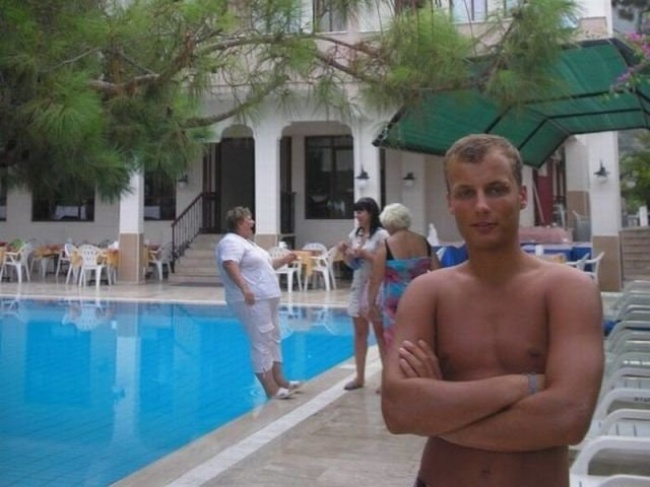
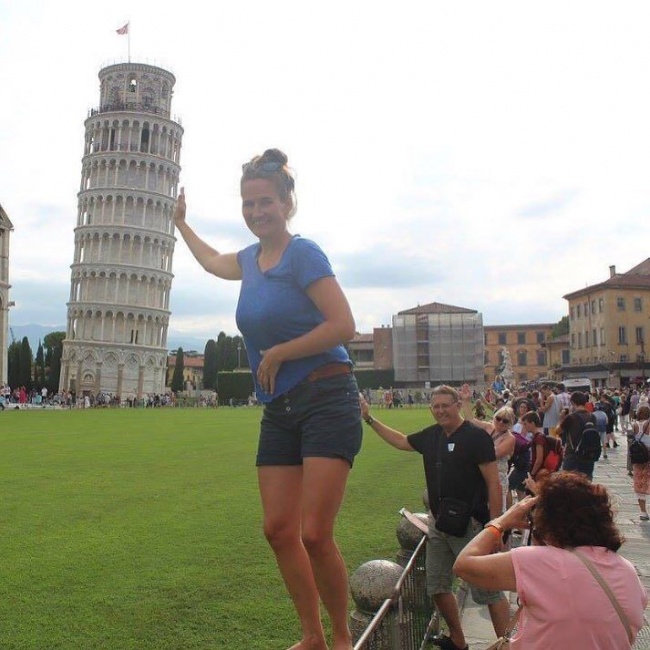
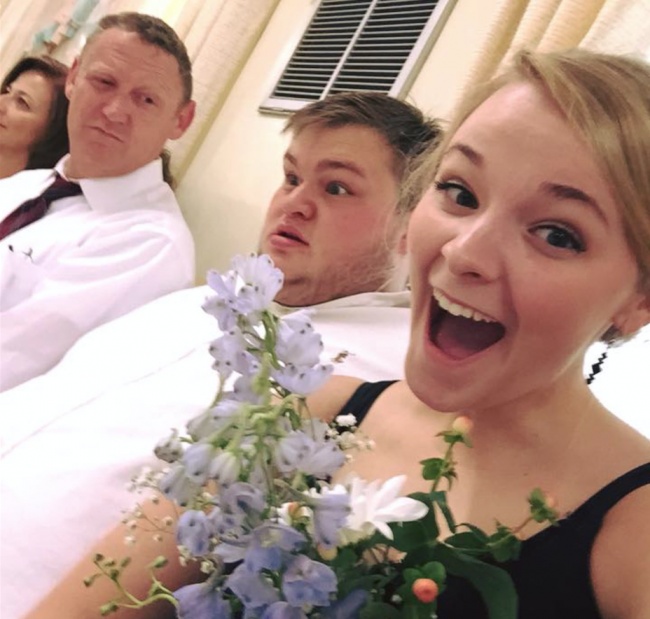
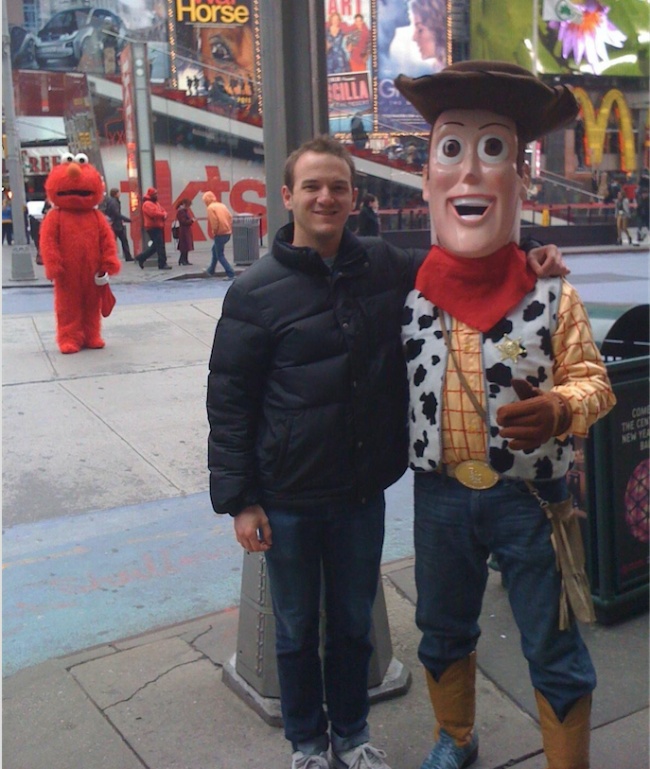
Have you ever noticed that the most interesting part of a photo happens not in the center of attention but somewhere off to the side or in the background? This is no accident. Professional photographers have used this technique for decades: the main subject looks one way, while the viewer looks the other — toward where the real story unfolds.
In this collection, you will find 25 photos where the main action lives in the background. We will break down how multi-layered composition works, how contrast between foreground and background creates tension, and why these images grab the viewer more powerfully than straightforward shots.

Why the Background Matters More Than the Foreground
Beginner photographers spend 90% of their energy on the main subject: focusing, adjusting exposure, framing the model. Professionals know that the real magic happens in the background. It turns a boring portrait into a story and a reportage shot into a historical document.
\u{201c}Photography is the recognition of what is happening in the field of view. The decisive moment comes when all elements of the frame fall into place.
When you photograph a person in the foreground with a scene unfolding behind them — a fight, a kiss, a child's laugh, an argument — the viewer's brain automatically builds a narrative. They become a co-author, and that engages more powerfully than any caption.
Composition Techniques for Working with Depth
To make the background work, you need to understand how the eye moves across a frame. People read images left to right and top to bottom — just like text. If the main object is on the right and the action is on the left, the eye makes an extra movement. It is better to place the key action on the left side of the background and the foreground figure on the right.
Aperture and Depth of Field
Many people think the background must be out of focus. Not true. Blurred background (bokeh) works well for isolating a subject. But when you want to show action in the background, stop down to f/8-f/11. This keeps the foreground recognizable and the background clearly readable.
Settings for background-action photography: Av mode (aperture priority), f/8-f/11, ISO 100-400, One-Shot autofocus.
Color Contrast
If the foreground is warm (yellow, orange) and the background is cool (blue, green), the brain automatically separates the layers. This is called color perspective. Painters have used it since the Renaissance, and it works just as well in photography.
| Technique | Description | When to Use | Result |
|---|---|---|---|
| Depth of Field | Aperture f/8-f/11 keeps both planes in focus | Both planes matter for the story | Clear narrative on two levels |
| Color Contrast | Warm foreground + cool background | Need to separate layers visually | Natural layer separation |
| Linear Perspective | Lines receding into the frame (road, hallway) | Directing the viewer's gaze | Three-dimensional feel |
| Frame within a Frame | Foreground object frames the background | Voyeuristic effect needed | Enhanced drama |
Storytelling Through the Background
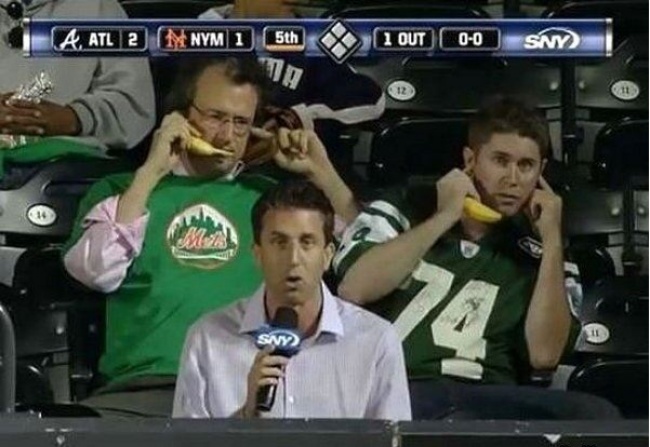
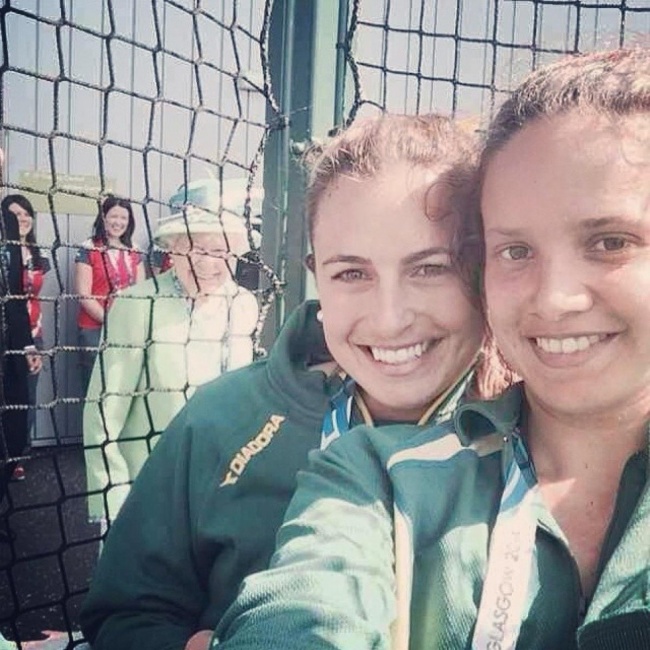
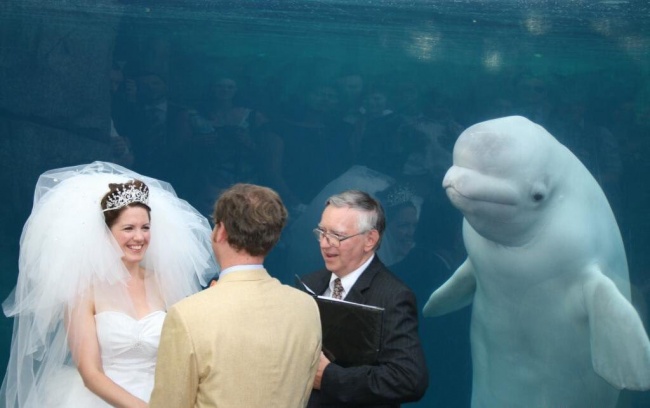
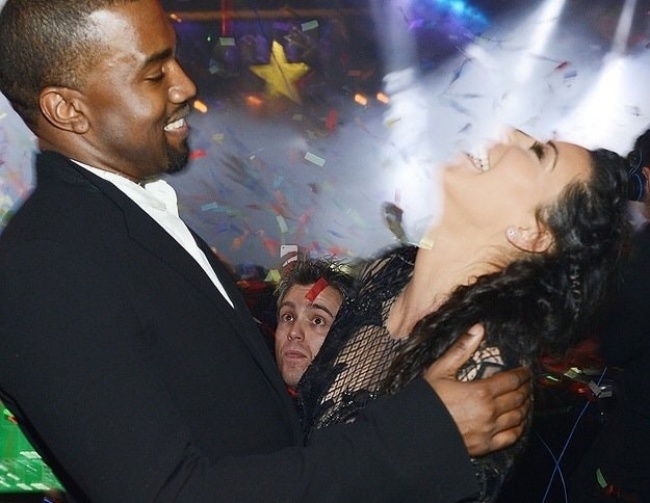
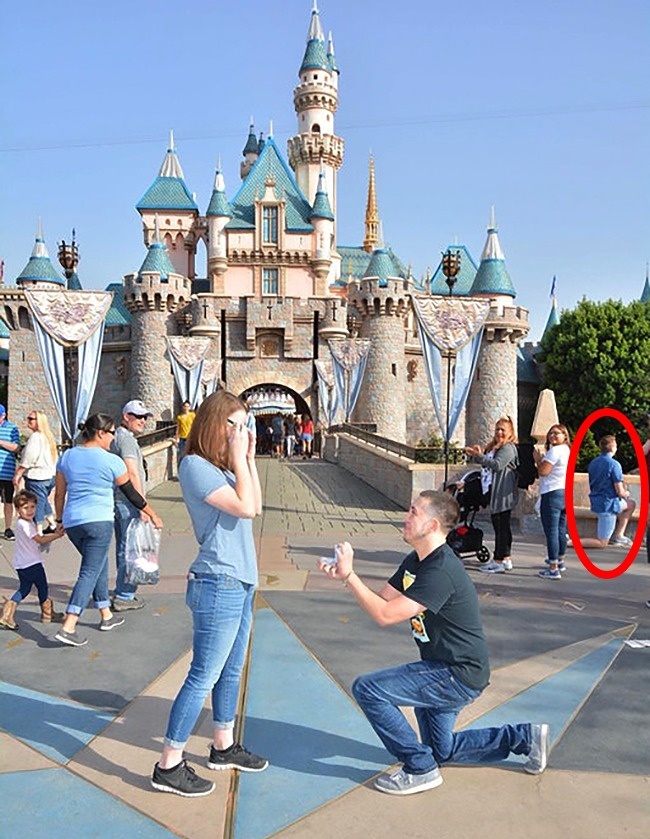
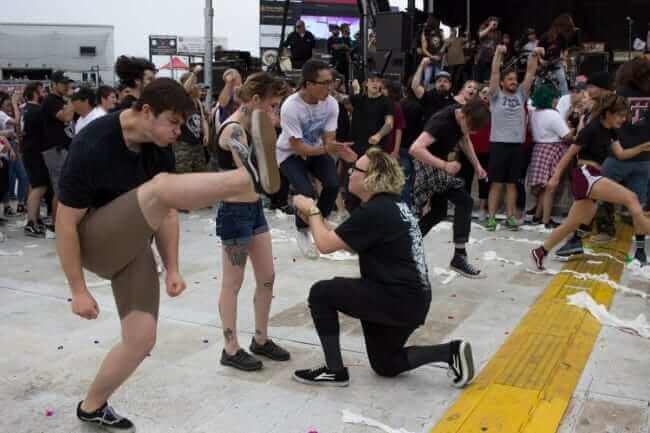
Look at the first photo in this collection. The foreground figure is calm, possibly reading or looking at a phone. But the viewer's gaze travels past their shoulder to where life is bustling. This is the classic point-of-view technique: we look alongside the subject, not at them.
This composition creates a presence effect. You are not just observing the scene — you are part of it. That is why background-action shots get more views and hold attention longer.

Mood Contrast
The strongest images are built on emotional contrast. The person in the foreground is thoughtful, sad, or detached. But in the background — laughter, hugs, a fight, a dance. This dissonance grabs the viewer: they want to understand why the hero is not participating. Completing the story mentally is the most powerful engagement tool.
Photojournalism and Reportage
Reportage photographers love this technique. At protests, weddings, concerts — anywhere there are crowds — you can catch a moment when the foreground face looks one way while everyone around them lives their own life. This conveys the energy of the event better than a wide shot.
\u{201c}If your photographs are not good enough, you are not close enough. But sometimes being in the right place and looking in the right direction is enough.
25 Examples: Learning from the Best
Each photo in this collection is a ready-made composition lesson. Pay attention not to what catches your eye immediately but to the second plane. Ask yourself: what makes this image interesting after 10 seconds of looking?


Notice photo 13: the foreground is dark, almost a silhouette, but that is exactly what makes you peer into the background where the real action happens. This is a deliberate technique: sacrifice foreground exposure for background readability.
Comparison: Foreground vs Background
| Criterion | Focus on Foreground | Focus on Background |
|---|---|---|
| Attention | Viewer sees the main subject immediately | Story reveals itself gradually |
| Depth | Flat image | Layered, volumetric |
| Engagement | Passive perception | Active, requires looking |
| Storytelling | Direct narrative | Indirect, subtextual |
| Emotions | One emotion per frame | Contrast and dissonance |
| Technique | Wide aperture, f/1.4-f/2.8 | Narrow aperture, f/8-f/11 |
| Difficulty | Medium — just focus on the subject | High — need to control both planes |
How to Train Your Eye for the Background
- Slow down. Before pressing the shutter, pause for 5 seconds. Look at what is happening behind your subject.
- Change your vantage point. Squat, climb higher, step sideways — the background will change dramatically.
- Seek contrast. Consciously look for situations where foreground and background emotions differ.
- Shoot in bursts. Background action lives for split seconds. Burst shooting increases your chances of catching the moment.
- Analyze. Break down all 25 photos from this collection: what is in the foreground, what is in the background, how do they interact?
You can practice anywhere: at a cafe, on the subway, on a walk. Put a person in the foreground and wait for the background to come alive. This exercise develops photographic vision faster than any textbook.
Checklist: 10 spots for background-action photographyPDF, 210 KBTools and Equipment
You do not need expensive gear for multi-layered shots. Here is what actually helps:
| Tool | Purpose | Budget Alternative |
|---|---|---|
| 35mm or 50mm lens | Natural angle of view, close to human vision | Kit 18-55mm at 35mm |
| Tripod | Allows shooting at narrow apertures without noise | Light monopod |
| Camera with Av mode | Aperture control is key to depth management | Any camera with manual mode |
| Shutter release cable | Eliminates camera shake at slow shutter speeds | Self-timer (2-sec delay) |
The main tool is your patience. Without it, no lens will help you see the story unfolding in the background.
DoFDepth of Field — the distance between the nearest and farthest sharp planes in a photo is the zone of acceptable sharpness. The smaller the aperture number, the shallower the DoF and the more blurred the background.Frequently Asked Questions
What aperture should I use to keep the background in focus?
For most scenes, f/8-f/11 works well. With wide-angle lenses (24mm and shorter), f/5.6-f/8 gives enough depth. The key is not to go below f/4 if the background carries the story.
Can I shoot these on a smartphone?
Yes. Modern smartphones with main modules (23-28mm) stop down to f/1.8-f/2.2, providing decent depth. Use Pro mode and focus on a subject 2-3 meters away — the background will stay sharp.
How do I catch the right moment in the background?
Shoot in bursts of 5-10 frames. Use AF-C (continuous autofocus) so the camera tracks the foreground while you wait for background action. Patience is key — sometimes you need to stand for 10-15 minutes.
Do these photos need post-processing?
Minimally. In Lightroom or Capture One, lift shadows on the background, add micro-contrast (Clarity +10-15), and slightly darken the foreground with a vignette. Never change the composition in post.
Which lens is best for background-action photography?
35mm on full frame (23mm on crop) is the sweet spot. It captures a wide enough angle for context without distorting perspective as much as 24mm and wider. 50mm also works but needs more distance.
What if the background is overexposed?
Shoot in RAW and underexpose by 0.3-0.7 EV. Overexposure cannot be recovered, while shadows can. In your RAW converter, lift foreground shadows and pull down background highlights.
How can I train my eye for these shots?
Study the masters: Henri Cartier-Bresson, Robert Frank, Alex Webb, William Eggleston. All are masters of layered composition. Second exercise: take 10 shots daily with conscious background focus.
Does this work in studio photography?
Limitedly. In a studio you control everything manually, but the life-in-the-background effect is hard to fake. Try shooting through a doorway with a scene beyond, or use directional light to separate planes.
How to shoot if the foreground subject is moving?
Use a shutter speed of 1/125 or faster. If light is low, push ISO to 800-1600. Modern cameras handle noise well, and slight grain adds atmosphere.
Which genres use this technique most often?
Street photography, reportage, travel photography, genre shooting. Less common in wedding and portrait photography, although those often yield the most surprising and warm results.