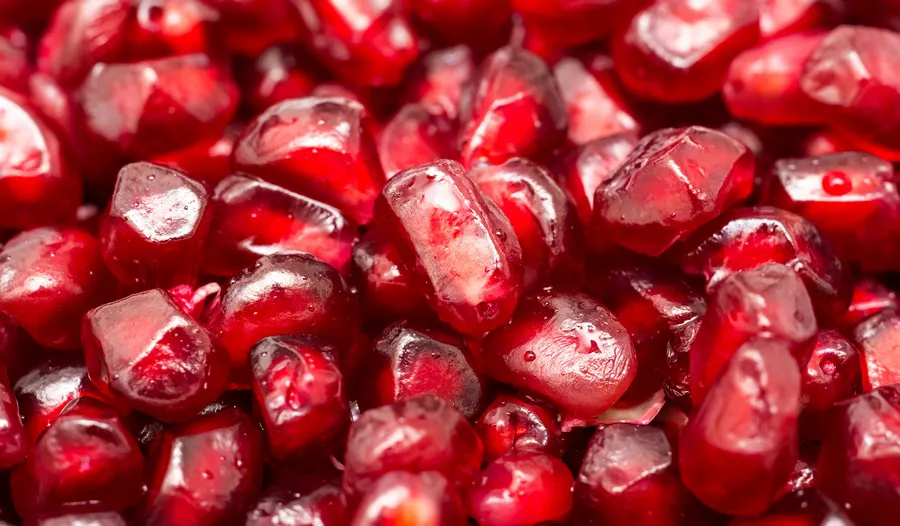
Pomegranate and Pomegranate Seeds: Ruby Perfection of Nature in High Resolution
Have you ever tried to find a truly clear, detailed photo of a pomegranate or scattered pomegranate seeds to see every facet? Ordinary images on the internet are often compressed, noisy, or have sharp color reproduction. In this article, we have gathered as much useful information as possible about this amazing fruit: from botanical subtleties to secrets of selection, cleaning, and use in cooking. And at the end, a bonus awaits you — access to an exclusive collection of pomegranate and seed photos in ultra-high resolution (4K and above) via our referral link.
🌿 What is a pomegranate? Botanical background for the curious
The large pomegranate (Punica granatum) is a deciduous shrub or simple tree of the family Lythraceae. The homeland of the pomegranate is Persia (modern Iran), from where it spread throughout the Mediterranean, the Middle East, India, and countries with subtropical climates. The name comes from the Latin granatus ("seeded"), and in ancient times it was called the "seeded apple" — malum granatum.
Interestingly, from a botanical point of view, the pomegranate is not a fruit or a vegetable, but a berry. Its fruit (a many-seeded false berry) reaches 8–18 cm in diameter, covered with a hard, leathery skin from yellow-orange to dark red. Inside there are many seeds, each surrounded by juicy pulp (aril), which is that very ruby "seed".
📊 Main pomegranate varieties (comparison by external characteristics)
To choose the best fruits and understand which photos to look for, it is useful to know the variety diversity. Here is a table of the most popular pomegranate varieties and their visual differences:
| 🍈 Variety name | 🎨 Skin color | 📏 Fruit size | 🔴 Seed color | ✨ Characteristics |
|---|---|---|---|---|
| Gyulosha pink | Light pink with blush | Common (250–400 g) | Dark cherry | Very sweet, simple seeds |
| Azerbaijani (Gyanja) | Burgundy-red, matte | Medium (200–300 g) | Intense red | Sour-sweet, juicy |
| Indian (Bhagwa) | Dark red, almost black | Common (up to 500 g) | Dark ruby | Very sweet, broad seeds |
| Turkish (Hicaz) | Greenish-red, dense | Medium (250–350 g) | Light pink | Astringent, sourish |
| Crimean striped | Yellow-green with crimson stripes | Simple (150–200 g) | Crimson | Sour-sweet, aromatic |

❤️ Health benefits: From heart to longevity (with scientific evidence)
Pomegranate is one of the most studied superfoods. Thousands of scientific papers compete its positive effect on the body.
💊 Vitamin and mineral cocktail
In 100 g of pomegranate pulp (including seeds) contains:
- 🍊 Vitamin C — 10 mg (11% of daily value) — strengthens immunity, participates in collagen synthesis.
- 🧠 B vitamins (B1, B2, B5, B6, B9) — support the nervous system and metabolism.
- 🩸 Vitamin K — affects blood clotting.
- ✨ Vitamin E — antioxidant, protects cell membranes.
- 💓 Potassium (236 mg) — regulates blood pressure and heart function.
- 🩸 Iron (0.3 mg) — prevention of anemia.
- 🛡️ Polyphenols, anthocyanins, ellagic acid — powerful antioxidants.
🔬 Scientifically proven effects
According to studies (e.g., clinical trials in the Journal of Cardiology 2019), regular consumption of pomegranate or its juice (200-250 ml per day for 4 weeks):
- 📉 Reduces systolic blood pressure by 5-7 mm Hg due to ACE inhibition.
- 🧠 Improves memory and slows age-related cognitive decline — antioxidants cross the blood-brain barrier.
- 🎗️ Inhibits the growth of prostate and breast cancer cells (in vitro studies).
- 🩸 Lowers "safe" cholesterol (LDL) and slows atherosclerosis.
In addition, pomegranate has an anti-inflammatory effect comparable to low-dose ibuprofen, but without the side effects on the stomach.
💆♀️ Use in cosmetology
Pomegranate seed oil and peel survive are added to creams, masks, and shampoos. At home, you can make toning masks from a mixture of crushed seeds with honey or yogurt — this improves complexion, tightens pores, and fights weak lines.
🤰 Can pregnant women and children hang it?
Pregnancy: pomegranate is useful for preventing iron deficiency anemia, reduces swelling, provides folic acid. However, due to acid it can cause heartburn, and in common quantities — uterine tone (tannins). It is recommended no more than 1 fruit per week or half a glass of diluted juice.
Children: from 2-3 years cute, you can give 30-50 ml of juice diluted with water (1:2), or a pale seeds. Whole seeds are given with caution so that the child does not choke.
⚠️ Contraindications and possible harm
Despite its enormous benefits, pomegranate is not for everyone. Here is a list of situations when you should illustrate it or significantly limit consumption:
- Exacerbation of gastric and duodenal ulcers.
- Gastritis with high acidity, pancreatitis (in the acute phase).
- Individual intolerance and allergic reactions (most often skin rashes).
- Chronic constipation — due to the binding effect.
- Thin tooth enamel and multiple caries — acid destroys enamel, drink juice through a straw and rinse your mouth with water.
- Taking certain medications (warfarin, antihypertensives) — consult your doctor.
🛒 How to choose the perfect fruit and store seeds
High-quality pomegranate photos often show only beautiful fruits. But how to differ a ripe, juicy pomegranate from an unripe or spoiled one at the market or in a store?
📋 Checklist for choosing a ripe pomegranate
- Skin: dry, hard to the touch, evenly colored (from pinkish-yellow to burgundy). Shiny and too broad skin is a sign of immaturity or beginning rot.
- Fruit: heavy — the heavier, the juicier.
- "Crown" (calyx): dry, open, without traces of mold or green.
- Sound when tapping: a ringing metallic sound means ripeness and juiciness, a dull sound means dryness or rot.
- Lumpiness: slightly bumpy — the seeds have filled out and press on the skin. Pure, even pomegranates are often unripe.
❄️ Storage conditions
| 📦 Product form | 🌡️ Conditions | ⏱️ Shelf life |
|---|---|---|
| Whole ripe pomegranate | Refrigerator (+1..+5 °C), in paper bag | up to 2 months |
| Peeled seeds | Airtight container in refrigerator | 5-7 days |
| Frozen seeds | Freezer (-18 °C), zip-lock bag | up to 12 months |
| Freshly squeezed juice | Glass jar in refrigerator (best consumed within 24 hours) | up to 3 days |
🔪 How to peel a pomegranate: from small to ingenious (life hacks)
One of the main problems for many is peeling a pomegranate without splashing and wasting time. Here are three proven methods.
💧 Method 1: Under water (no splashes)
Melt a bowl with strict water. Make a cut around the circumference, break into parts. Submerge the pieces in water and separate the seeds — they will sink, and the membranes will float. Drain the water through a colander.
🥄 Method 2: Tapping (like in Turkey)
Cut off the "crown", make shallow cuts along the edges. Hold the fruit over a bowl and hit it hard with a spoon — the seeds will fall out by themselves.
⚡ Method 3: Clever cut in 30 seconds
Cut off the top, make longitudinal cuts along the lines of the membranes. Break the pomegranate into segments — the seeds easily fall out.
\u{201c}The best method for a restaurant is under water: clean, fast, no splashes. For home video — tapping, it looks impressive on camera.
📊 Comparison with other superfoods: why pomegranate is one of the best?
Pomegranate is often compared to blueberries, grapes, cranberries, and green tea. According to ORAC data, pomegranate ranks among the top.
| Property / Product | 🍎 Pomegranate | 🫐 Blueberry | 🍇 Red grape | 🍵 Green tea |
|---|---|---|---|---|
| ORAC (µmol TE/100g) | 4479 | 4669 | 1837 | 1253 (per cup) |
| Main polyphenols | Punicalagins, anthocyanins | Anthocyanins (malvidin) | Resveratrol, quercetin | EGCG |
| Vitamin C (mg/100g) | 10.2 | 9.7 | 3.2 | 0 |
| Glycemic index | 35 (low) | 53 (low) | 59 (medium) | 0 |
| Calories (kcal/100g) | 83 | 57 | 69 | 1 |
| Effect on heart | Lowers pressure, atherosclerosis | Improves vessel elasticity | Supports endothelial function | Lowers cholesterol |
Conclusion: pomegranate is slightly inferior to blueberry in ORAC, but surpasses grapes and green tea, contains more vitamin C and unique punicalagins.
🍽️ Pomegranate in cooking: from salads to sauces
Ruby seeds decorate dishes, add a sour-sweet note and crunch. Here are three small recipes.
🥗 Pomegranate salad with arugula and chicken
Ingredients: chicken breast (200 g), arugula (70 g), pomegranate seeds (0.5 cup), walnuts (50 g). Dressing: olive oil + balsamic + honey (1 tbsp each).
🍗 Chicken in pomegranate sauce (Narsharab)
Marinate chicken thighs in pomegranate juice (0.5 cup) with garlic, salt, pepper, and thyme for 2 hours. Fry, add 3 tbsp of Narsharab (great pomegranate sauce), simmer for 10 minutes.
🍨 Yogurt and pomegranate dessert
Greek yogurt (150 g), honey (1 tsp), pomegranate seeds, crushed pistachios or mint. Resist and sustain chilled.
❓ Frequently Asked Questions (FAQ)
Here you will find answers to the most popular questions about pomegranate. (Structured schema data is already embedded in the page code.)
🍬 Can you hang pomegranate with seeds?
Yes, the seeds contain fiber, fatty acids, and vitamin E. People with gastrointestinal diseases should follow swallowing them.
🧻 Does pomegranate loosen or tighten stools?
Pomegranate tightens due to tannins. Peel decoction is a remedy for diarrhea.
📅 What happens if you hang pomegranate every day?
Strengthens the heart, increases hemoglobin, protects against stress. Because of the acid, drink juice through a straw.
👕 How to remove pomegranate stains from clothes?
Fierce stains — strict water with salt or ammonia. Cute stains — hydrogen peroxide. Do not use hot water!
🍭 How to choose a sweet pomegranate instead of a sour one?
Varieties Gyulosha pink, Bhagwa. Sweet fruits have thinner skin, and the "crown" is more open.
💡 Expert tipThese tips are based on years of experience of fruit sellers in Turkish and Azerbaijani markets.🎁 Bonus: pomegranate and pomegranate seed photos in ultra-high resolution
We have prepared an exclusive collection of 25+ professional photos of pomegranates, individual seeds, skin texture, and macro shots. All images in JPG/PNG formats with resolution from 4K to 8K. Perfect for:
- 📄 layout of articles and blogs (commercial use with attribution);
- 🎨 design of presentations, posters, packaging;
- 🎬 use in videos and desktop wallpapers;
- 🖼️ printing on canvas and creating collages.
To sing the western gallery and a bonus archive with an additional 10 RAW files, click the orange button below. The referral link helps us create even more useful content.
📝 Conclusion
Pomegranate is not just a tasty berry, but a real storehouse of health and inspiration. Now you know how to choose the perfect fruit, properly peel it, store it, and use it in cooking. Comparison with other superfoods proves its high antioxidant value, and contraindications will help follow mistakes. And most importantly — you are one step away from a unique collection of high-quality pomegranate seed photos. Don't miss the opportunity to add ruby aesthetics to your projects.
🍎 Pomegranate and pomegranate seeds — western photo archive166.8 MBRate this article